
If you've ever looked at the ingredient list on a neon-colored sports drink and thought, “Is this hydration or a science project?” you're not alone. The truth is, for most training sessions, your body isn't begging for artificial dyes and mystery flavors. It's asking for fluids, a smart amount of sodium, and depending on the workout, a little carbohydrate to keep the engine running.
As a former college hooper, I learned this the hard way. When practices got long and sweaty, plain water sometimes felt like it went in one end and right out the other. That can be a sodium and concentration issue (your body holds onto fluid better when sodium is in the mix), but quick bathroom trips can also come from just chugging a lot at once, timing, caffeine, and plain old individual quirks.
Below are seven lower-additive alternatives to commercial sports drinks. Some are grab-and-go. Others take 60 seconds at home. All of them help you hydrate with more control over what goes in the bottle.
What good hydration means
Hydration isn't just about replacing water. When you sweat, you lose electrolytes, especially sodium and chloride, plus smaller amounts of potassium, magnesium, and calcium. If you're training hard, those losses can add up.
- Water handles the fluid replacement piece.
- Sodium helps you retain fluid and supports nerve and muscle function.
- Carbs (sometimes) support endurance during longer sessions and, when paired with sodium at the right concentration, can help your gut absorb fluid more efficiently.
Rule of thumb: For workouts under about 60 minutes at an easy to moderate effort, water and normal meals usually cover you. For longer, hotter, or higher-intensity sessions, adding sodium (and sometimes carbs) can be a game changer.
Salt math (quick and useful): 1/8 tsp table salt is roughly 290 mg sodium. 1/4 tsp is roughly 580 mg sodium. Brands and salt types vary, but these numbers get you close.
Quick health note: If you've been told to limit sodium (high blood pressure, kidney disease, certain heart conditions), talk with your clinician or sports dietitian before you start salting everything like it's your job.
1) Coconut water (add salt)
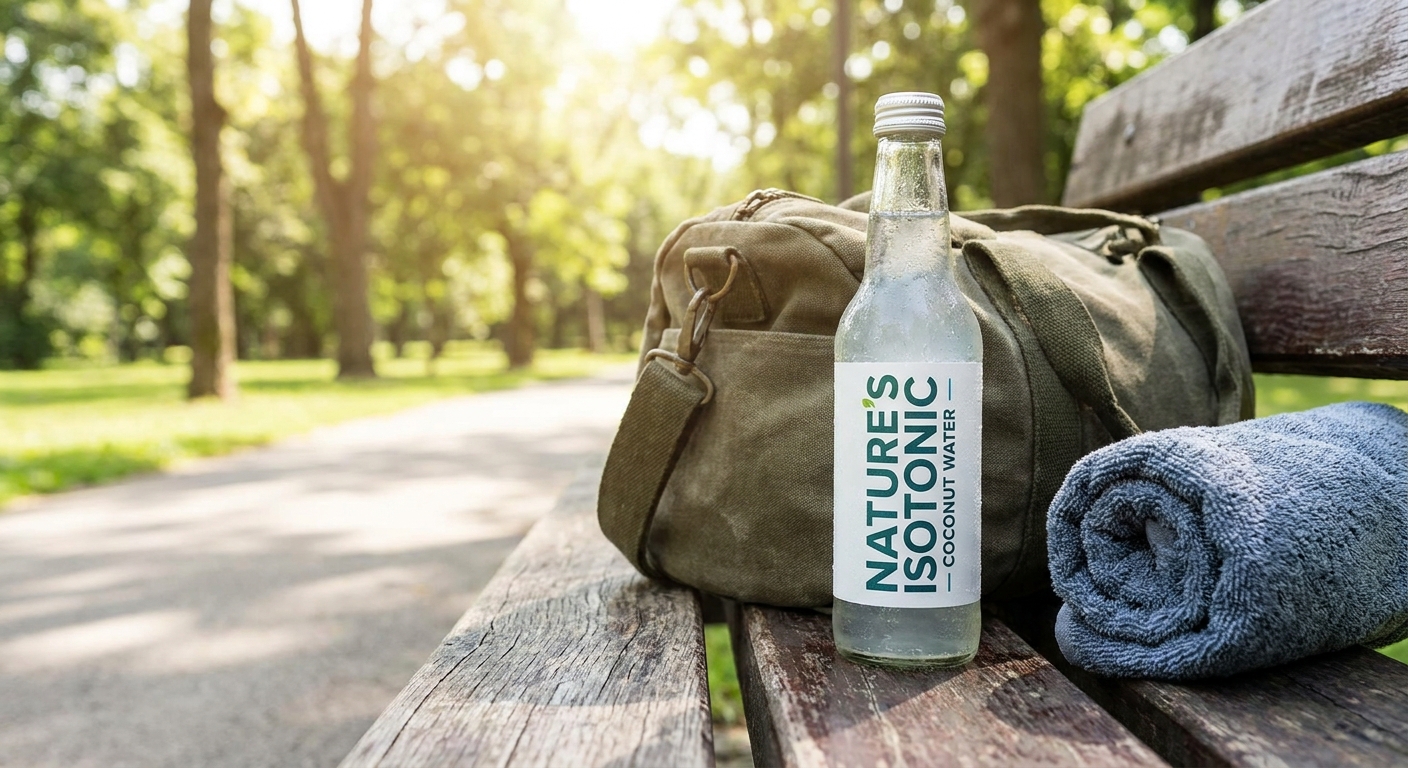
Coconut water is the friendly gateway into cleaner training hydration. It's naturally rich in potassium and provides a bit of carbohydrate. The catch is that it's usually low in sodium, which is the main electrolyte you lose in sweat.
Why athletes like it
- Easy to find and easy to drink
- Provides potassium and some carbs
- Gentler taste than many sports drinks
How to use it
If you're a heavy sweater or training in heat, add 1/8 to 1/4 teaspoon of salt (about 290 to 580 mg sodium) to 16 to 20 ounces. That small tweak makes it much more “sports drink-like” where it counts.
2) Lemon-honey drink
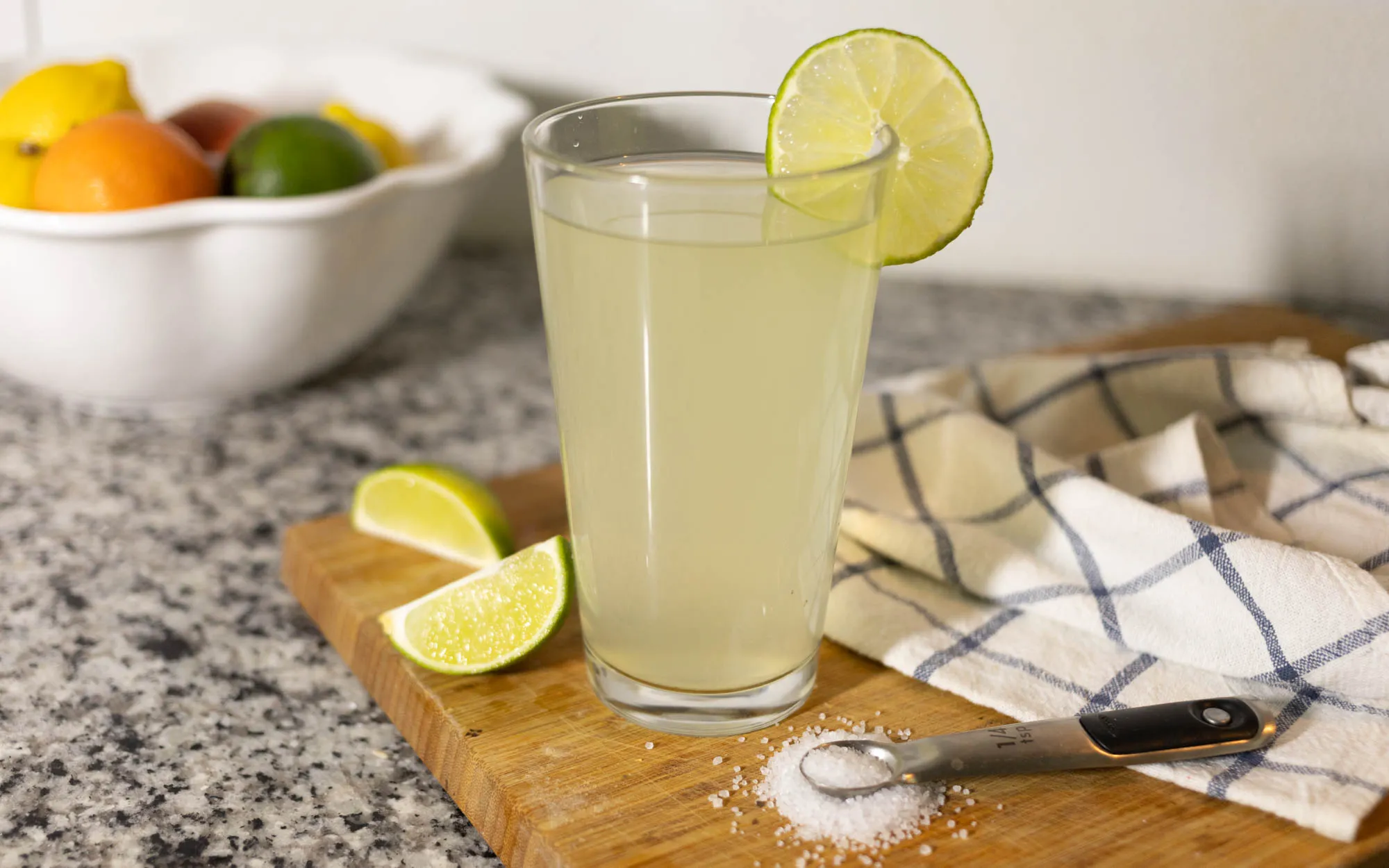
This is my go-to when I want something that tastes like effort and recovery, not candy. Lemon brings flavor, honey brings quick carbs, and salt brings the sodium your sweat just donated to the floor.
Quick recipe (one bottle)
- 16 to 24 oz water
- Juice of 1/2 lemon (or 1 to 2 tbsp lemon juice)
- 1 tbsp honey (adjust up for longer sessions)
- 1/8 to 1/4 tsp salt (about 290 to 580 mg sodium)
Shake it up. If it tastes like slightly salty lemonade, you're in the right neighborhood for training. If it tastes like ocean water, back off the salt.
Best for
- Runs, rides, or court sessions lasting 60 to 120 minutes
- Athletes who want control over sweetness and sodium
3) Milk (yes, milk)
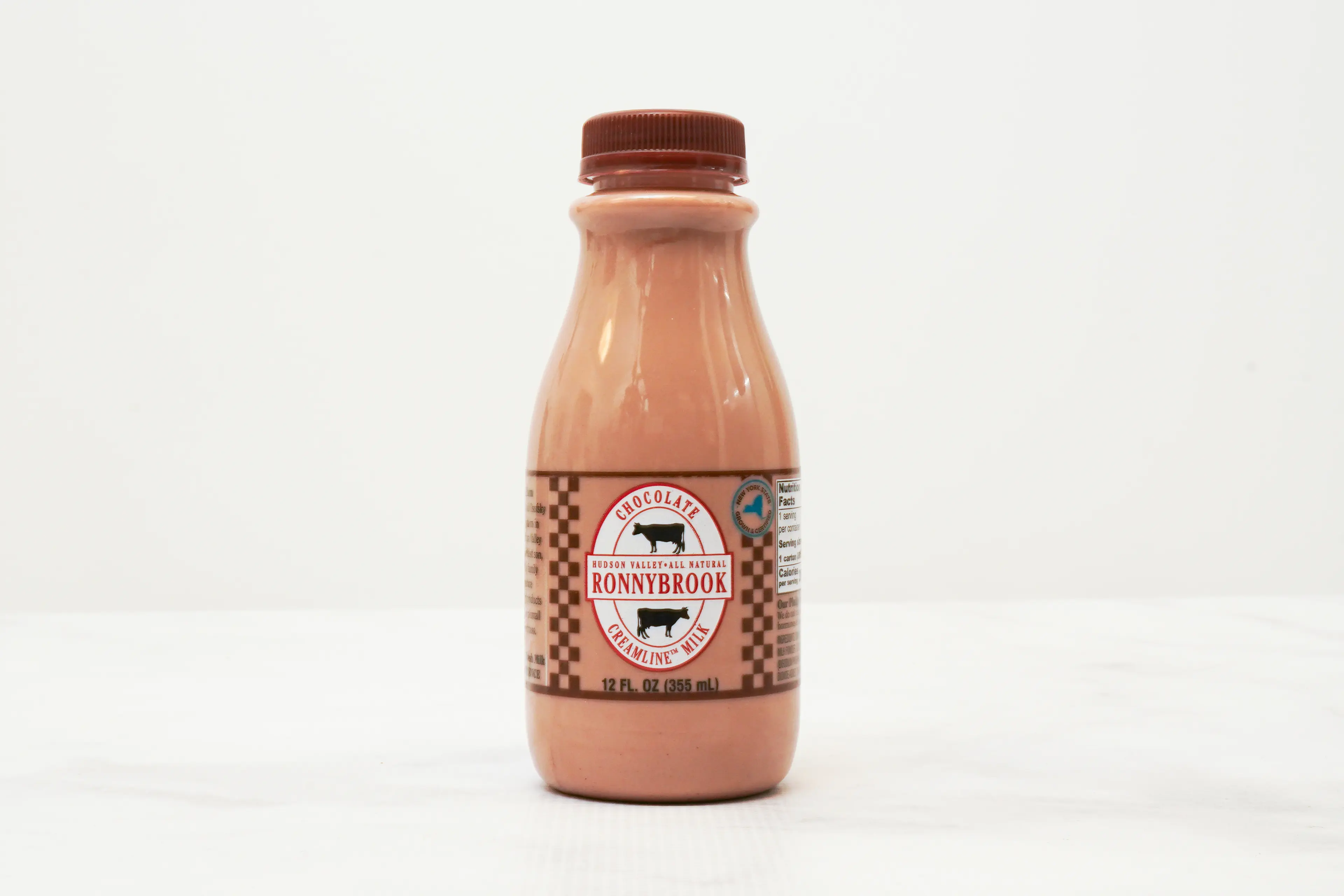
Milk is sneaky-good for rehydration, especially after training. It naturally contains sodium, potassium, and calcium, plus protein for muscle repair and carbs for glycogen replenishment. Studies suggest milk can be an effective post-exercise rehydration option because it helps you hold onto the fluid you drink.
How to use it
- Drink 8 to 16 oz after training if your stomach tolerates it
- Chocolate milk can work well post-workout because it adds more carbs, which can help recovery
Note: Milk isn't ideal during intense sessions if you're prone to GI issues. Save it for after the whistle.
4) Watermelon juice (diluted)
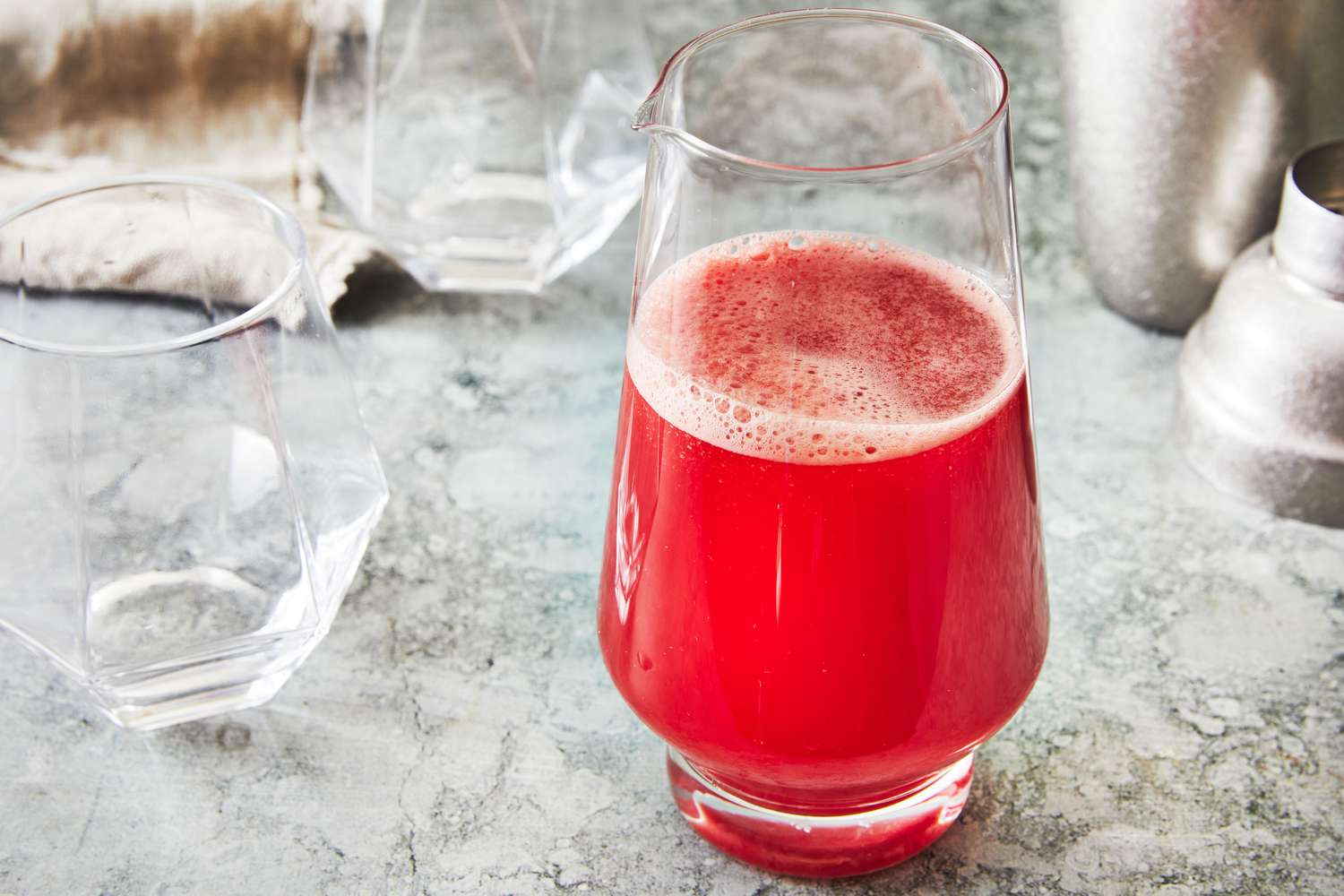
Watermelon is mostly water, but it also brings potassium and natural carbs. It's refreshing, easy on the stomach for many athletes, and feels like summer practice in a cup. Some athletes also like watermelon for its naturally occurring citrulline, though performance effects vary, and typical juice servings often do not match the higher doses used in supplement studies.
How to drink it
- Try a 50:50 mix of watermelon juice and water
- Add a small pinch of salt if you're using it during exercise
Best for
- Hot-weather sessions when you want something light
- Pre- or post-workout hydration with gentle carbs
5) Orange juice mix
Orange juice brings carbs and potassium in a hurry, but straight OJ can be too concentrated for some athletes mid-workout. Diluting it makes it more comfortable while keeping the fuel. Add salt and it becomes a legit training beverage.
Simple mix
- 8 oz orange juice
- 8 to 12 oz water
- 1/8 tsp salt (about 290 mg sodium, adjust for sweat rate and heat)
This is especially useful for endurance athletes who struggle to eat solid food during long efforts. It's fuel and fluid in one bottle.
6) Broth (salty option)
If you've ever finished a brutal two-a-day and craved something savory, your body might have been asking for sodium. Broth is a strong option because it's typically much higher in sodium than fruit-based drinks.
Why it works
- High sodium content supports fluid retention
- Warm broth can be easier to sip when you don't want something sweet
- Useful for heavy sweaters and athletes who suspect they lose a lot of sodium
How to use it
Broth is usually best after training (or between sessions), not during high-intensity work. Aim for 8 to 12 oz, and choose lower-fat options if your stomach is sensitive.

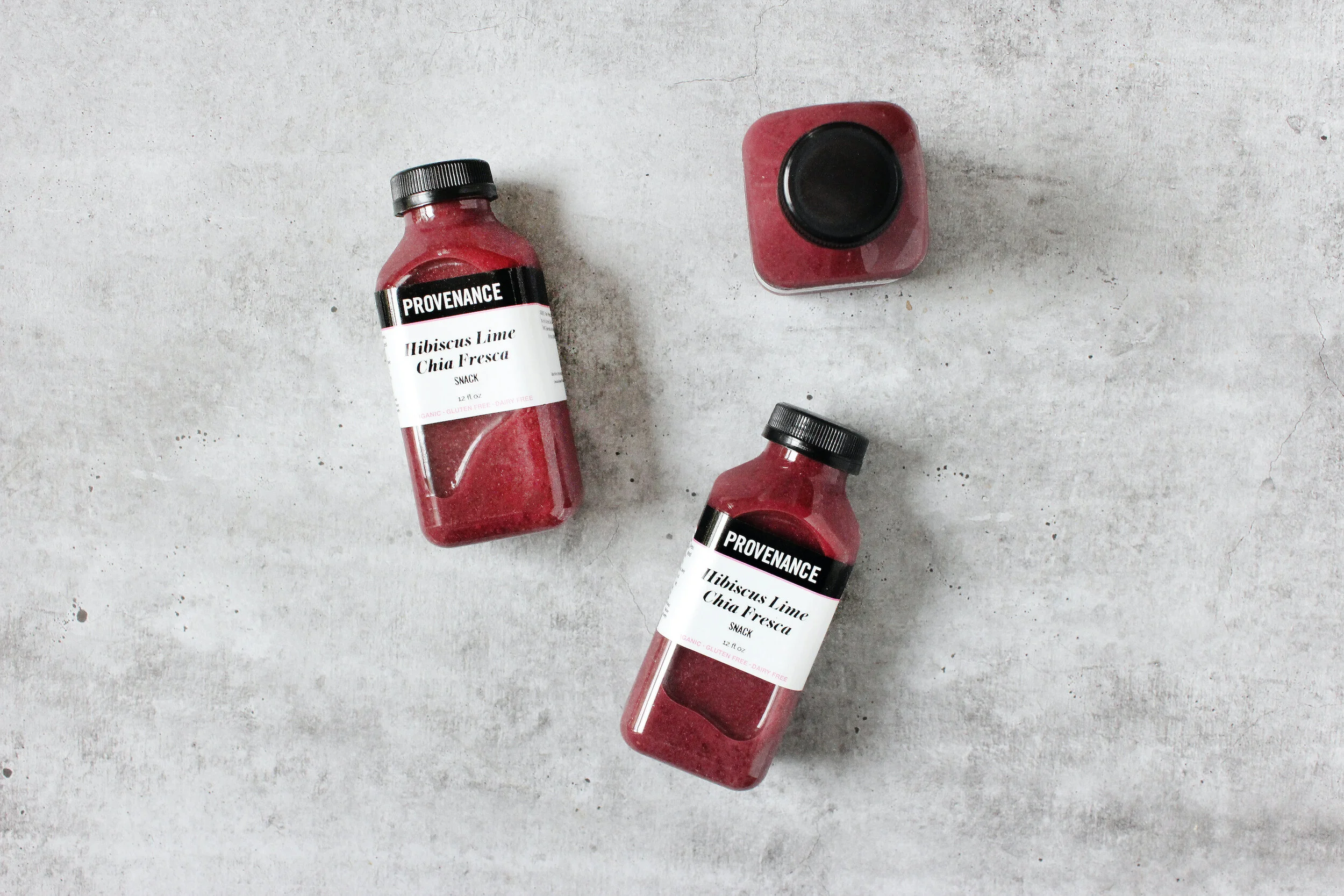
7) Chia fresca
Chia seeds absorb water and form a gel-like texture. Some athletes love it because it feels like it “sticks” with them, especially on long runs or hikes. It's not magic, but it can be a practical way to add a little carbohydrate and minerals while making the drink more substantial.
Basic approach
- 16 to 20 oz water
- 1 tbsp chia seeds
- Squeeze of lemon or lime
- 1 to 2 tsp honey or maple syrup (optional)
- Pinch of salt
Let it sit 10 minutes, shake again, and sip. If texture is a deal-breaker, this isn't your option. If you like it, it can be a solid long-session companion.
Carbs during long sessions
If you're going longer than about 60 to 90 minutes, carbs start to matter more. A practical target for many athletes is 30 to 60 grams of carbs per hour. For very long, very hard efforts, some go higher, but that usually takes gut training.
- Lemon-honey and OJ mix can help you hit carbs per hour if you scale the honey or juice.
- Coconut water and watermelon juice add some carbs, but may not be enough on their own for long races.
- Milk and broth are usually better after (or between) sessions than mid-effort fuel.
When sports drinks help
I'm not anti-sports drink. I'm pro-using-the-right-tool. Commercial options can be useful when you need precision and convenience, like:
- Very long endurance sessions where you want consistent carbs per hour
- Races and tournaments where you can't experiment
- Situations where you struggle to hit sodium needs with food
The key is picking one with a carb level that matches your workload and avoiding extra ingredients you don't tolerate.
Tips that matter
Start hydrated
Show up to training already on your game. If your urine is consistently dark and you're always “catching up,” you're playing from behind.
Match intake to sweat
If you finish a session down multiple pounds, you probably need more fluid and sodium next time. A simple weigh-in before and after training can help you learn your sweat rate.
Do not overdo plain water
During long events, pounding huge volumes of plain water without sodium can backfire. In extreme cases, it can contribute to dangerously low blood sodium (hyponatremia). Drink to thirst, and for long, hot, sweaty days, include sodium.
Don't fear salt (if it fits your health)
Athletes who sweat a lot often under-consume sodium. If you're training in heat, doing long sessions, or seeing performance fade late, sodium is a common missing piece.
My coach's version of this: “Water is necessary. But when practice turns into a puddle, you need to replace what you left on the floor.”
The bottom line
You don't need artificial colors to hydrate like an athlete. Coconut water with salt, citrus-based DIY mixes, milk for recovery, and even broth for heavy sweaters can cover most real-world training needs. Try one option during a lower-stakes workout, see how your stomach and energy respond, then lock it in for the big days.
If you want the simplest starting point: water + a pinch of salt + a little honey and lemon. It's not flashy, but it gets the job done, just like the best teammates I ever had.