
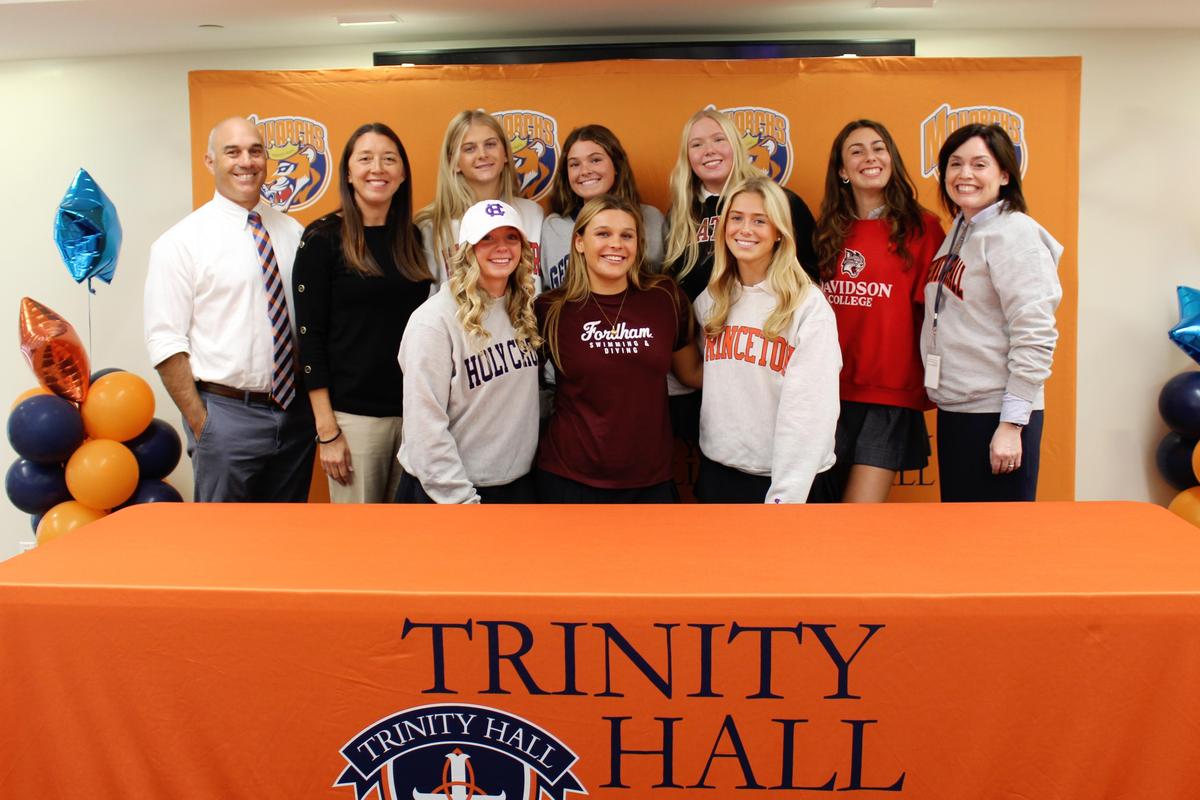
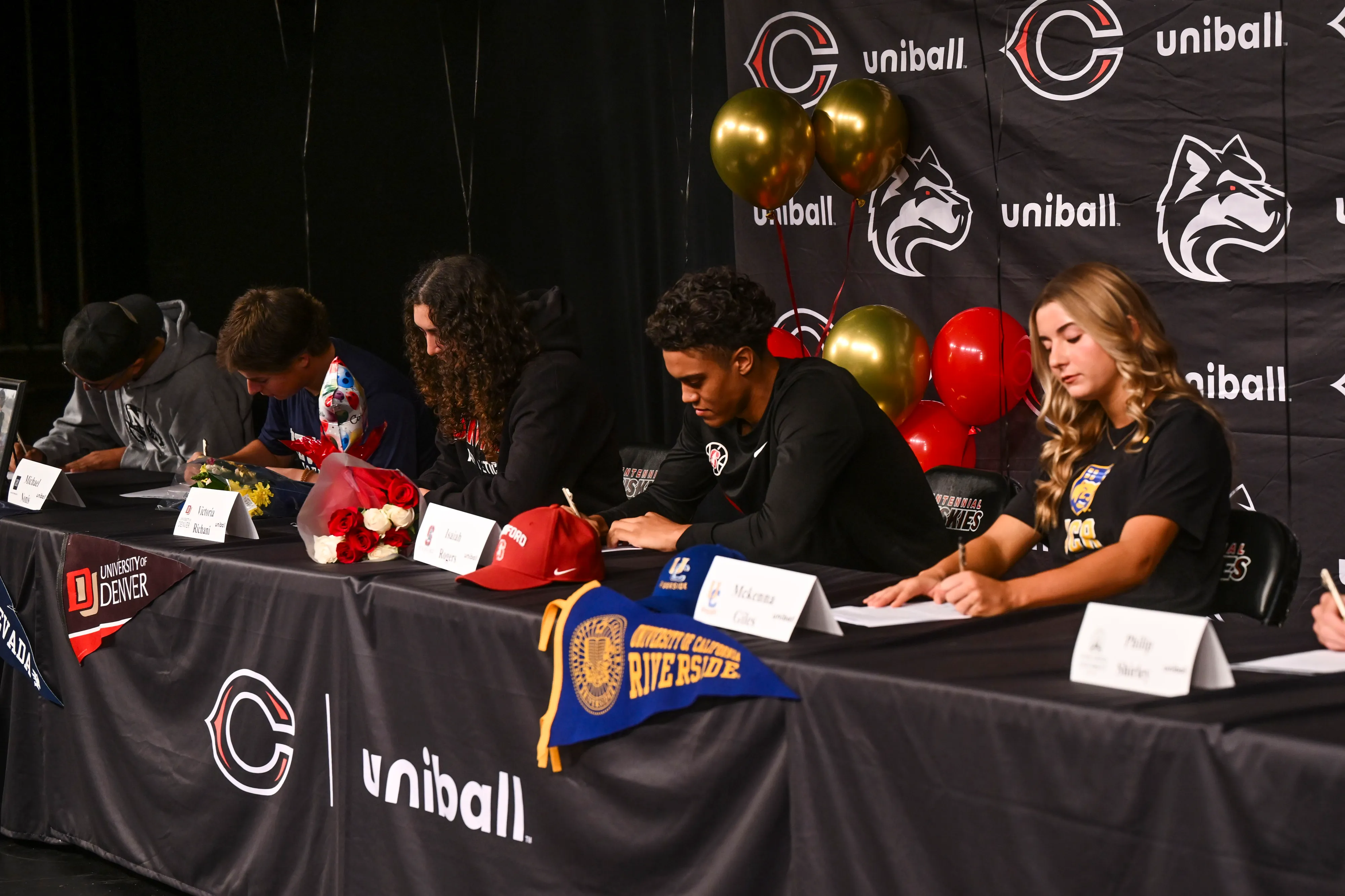
Signing day used to feel like a finish line. Hat on the table, family packed into the living room, and one document that carried real weight: the National Letter of Intent, better known as the NLI.
If you are being recruited today, here is the key thing to know up front. The NLI is not part of NCAA Division I or Division II recruiting anymore. In October 2024, the NCAA eliminated the National Letter of Intent program entirely and moved schools to an institutional financial aid agreement model.
In other words: the signature moments still exist, and scholarships still exist. But the NLI itself is officially retired. The document families now need to understand is the school’s institutional financial aid agreement (plus the school’s admissions, enrollment, and aid paperwork), because that is where the money and the real commitments now live.
What the NLI was
The National Letter of Intent was a recruiting document used for decades in NCAA Division I and Division II sports. It was administered through the NLI program, and participation was voluntary by schools.
When a prospect signed an NLI, they agreed to attend a specific school for one academic year. In return, the school agreed to provide athletics financial aid for one academic year, as long as the athlete was admitted and remained eligible.
In plain language: it was designed to cut down on recruiting chaos. Coaches got certainty. Recruits got a scholarship commitment on paper. Everyone got to move forward.
One important nuance: the NLI’s one-year commitment was separate from how long aid might last. At different times and in different situations, aid could be renewed year to year or offered as multi-year. Either way, the actual promise lived in the written aid terms.
Why it went away
The simplest explanation is that the sport and the marketplace changed. Recruiting became more fluid, paperwork became more layered, and the NLI stopped matching the way decisions were actually made.
So in October 2024, the NCAA ended the NLI program. After that point, recruits no longer “sign an NLI” as part of the NCAA’s process. Schools moved to using institutional financial aid agreements as the formal written commitment document in Division I and Division II recruiting.
What you sign now
Today, the anchor document is the institutional financial aid agreement.
That matters for two big reasons.
- It is the scholarship offer in writing. This is where the dollars, what is covered, and the terms you care about actually appear.
- It is the document tied to the recruiting stop. Under NCAA Division I and Division II signing rules, once you sign a school’s written agreement during the applicable signing period, recruiting contact from other schools is generally no longer permitted. The exact rule language and timing can vary by division, sport, and signing window, so the compliance office is the best place to confirm what applies to you.
You may also sign additional school forms tied to admissions, housing, enrollment deposits, and broader financial aid packaging. But if you are trying to identify the one document that replaced the NLI’s job, it is the institutional financial aid agreement.
So when a coach says, “We will get you signing paperwork soon,” ask one simple follow-up: Is this the school’s institutional financial aid agreement, and under our division and sport rules, does signing it trigger the recruiting stop?
What it commits you to
This is where families need to slow down, because the old NLI created habits. People still talk like signing is a four-year lock. On paper, that has often not been true.
Under the NLI era, the attendance commitment was typically one academic year. Under today’s model, the exact commitment and the exact consequences are driven by what is written in the school’s institutional financial aid agreement, plus school and NCAA rules for that year.
Your side
- You are accepting aid tied to that institution.
- By signing, you are usually ending outside recruiting under NCAA signing rules for your division and sport.
The school side
- The school is putting financial aid terms in writing, including what is covered and the period of the award.
- The aid still depends on admissions and eligibility requirements, and it is still governed by school and NCAA rules.
If there is one practical takeaway for families: read the duration and renewal language like it is the headline, because for your bank account and your roster security, it is.
If you change your mind
The NLI era had a famous penalty structure if you signed and then attended a different NLI member school without a release. That is history now, because the NLI is gone.
In today’s system, the consequences of changing your mind depend on what you signed, the school’s policies, and NCAA rules for that year. What does not change is the real-world effect: once you sign the institutional financial aid agreement, other schools are typically not allowed to continue recruiting you under the applicable signing rules.
If you are thinking about pivoting after signing, do three things fast:
- Call the compliance office and the financial aid office. Coaches recruit. Compliance and aid offices explain the process and what is permitted.
- Ask about the school’s withdrawal or rescission procedure. Get clear on what steps reopen contact, and when.
- Get everything in writing. Email summaries and written confirmations matter when timelines get tight.
In my experience covering recruiting, this is where families still underestimate the paperwork. The document is not ceremonial. It drives what happens next.
Aid vs admissions
One reason the NLI confused so many recruits is because it lived alongside other documents and steps that mattered just as much.
A verbal commitment
A verbal is a handshake and a public statement, not a binding contract. It can still be meaningful, but it is not the same thing as signing a written financial aid agreement.
The institutional financial aid agreement
This is the piece many families mean when they say “the scholarship.” It is also the piece that has absorbed the recruiting function the NLI used to serve, because signing it is the formal step tied to the recruiting stop under NCAA Division I and II signing rules.
It is where you should look for:
- what is covered (tuition, fees, books, housing, meals, cost of attendance items)
- the duration of the award
- renewal terms and conditions
- cancellation or reduction language, and what triggers it
- academic, conduct, or team standards tied to the award
- injury and medical non-participation language (ask how your school handles this)
- whether the aid is athletics aid, academic aid, need-based aid, or a mix
Admissions and eligibility
No matter what you sign, you still have to:
- be admitted to the school
- meet NCAA eligibility requirements (and any conference or institutional requirements)
- complete required paperwork, including academic and amateurism items where applicable
Signing a financial aid agreement does not bypass admissions. If you are not admitted, do not meet eligibility requirements, or the aid is not provided as stated, that triggers a different set of conversations and remedies than people assume on signing day.
Divisions and other paths
This article is focused on NCAA Division I and Division II, because that is where the NLI used to sit and where the institutional financial aid agreement has replaced it.
But families ask the same question in other recruiting lanes, so here is the plain-language version:
- NCAA Division III: Division III does not award athletics scholarships. Recruiting still includes offers, likely letters, admissions support, and financial aid packaging, but it is a different model. Ask what, if anything, you are signing and what the aid is tied to.
- NAIA: NAIA programs have their own signing and eligibility processes. Some will use letters of intent or aid agreements that are not the NCAA NLI.
- NJCAA (junior college): JUCO recruiting and aid can follow different calendars and different paperwork. Get the exact document name and read the renewal and transfer implications carefully.
Timing and signing windows
Signing is not just “whenever.” Most sports operate inside signing periods and school timelines. Your coach will talk like this is routine, because for them it is. For your family, it is worth asking directly:
- When is our signing window for this sport and division?
- What must be completed first (admissions steps, test scores, transcripts, eligibility items)?
- What is the deadline to sign and return the agreement?
If you are unsure, your school’s compliance office can tell you what window applies and what the written process looks like.
How to talk about it now
You will still hear people say “NLI” out of habit. Some families use it as shorthand for any signing paperwork. Coaches sometimes use it casually too, because it was the language for decades.
But if you are trying to protect your kid, you have to get specific. Ask:
- What exactly is the document called at this school?
- Is this an institutional financial aid agreement?
- Under our division and sport rules, does signing it trigger a recruiting stop?
- What are the terms, length, and renewal conditions?
- What can reduce or cancel the award?
- What happens if the coach leaves, I get injured, or my role changes?
The names people use in conversation matter a lot less than what the documents actually say.
Before you sign
I have seen families get swept up in the moment, and I get it. You are excited. You want the relief. You want the dream to feel real. That is exactly when you slow down.
- Ask for the documents early. Do not wait until a big ceremony day to read details for the first time.
- Confirm what is actually covered. Is it tuition only? Full cost of attendance? What about books, housing, meals, summer school?
- Confirm the duration and renewal. One year? Multi-year? What does renewal depend on?
- Read the cancellation and reduction section twice. If you only have the energy for one deep read, make it this one.
- Understand team fit and roster reality. Paperwork does not tell you how you will be used or how deep the room is going to be in August.
- Talk to compliance, not just coaches. Coaches recruit. Compliance explains the rules and the school process.
Quick FAQ
Is the NLI still used?
No. The NCAA eliminated the National Letter of Intent program in October 2024. Recruits now sign institutional financial aid agreements and related school paperwork instead.
Is signing the same as being “committed”?
Not exactly. A verbal commitment is not the same thing as signing written paperwork. In today’s system, signing an institutional financial aid agreement is the formal step that is tied to NCAA signing rules, including recruiting restrictions from other schools.
Does signing guarantee four years?
Not automatically. The length and security you have depend on the written terms in the institutional financial aid agreement and the school’s policies.
If the coach leaves, am I stuck?
This is exactly why you read the agreement carefully and talk to compliance. Coaching changes happen fast. Your options depend on what you signed and the rules and policies in effect at that time.
The bottom line
The National Letter of Intent used to be the signature that closed recruitment. That era is over. The NCAA eliminated the NLI program in October 2024, and schools now use institutional financial aid agreements to do the job the NLI used to do.
So if you are a recruit today, do not chase an acronym that no longer exists. Focus on the document in front of you. Know what you are signing, know what is guaranteed, and make sure the fit makes sense beyond the photo op.