
In my playing days, eligibility was the quiet metronome in the background. You might not think about it every day, but it is always ticking, shaping decisions on redshirts, transfers, and whether you can afford to miss time. Then COVID hit and the NCAA did something we almost never see in college sports: it created blanket eligibility relief that, for a lot of athletes, ended up functioning like a free season if they could still fit it into their overall timeline.
Fans call it the “COVID year.” Coaches talk about “super seniors.” And depending on the campus, you might hear it described as “COVID relief,” an eligibility exception, or a waiver process in compliance. Whatever name you use, the core idea is simple: the NCAA created broad eligibility relief tied to the COVID-disrupted seasons, and it is still echoing through rosters years later.
The rule in one sentence
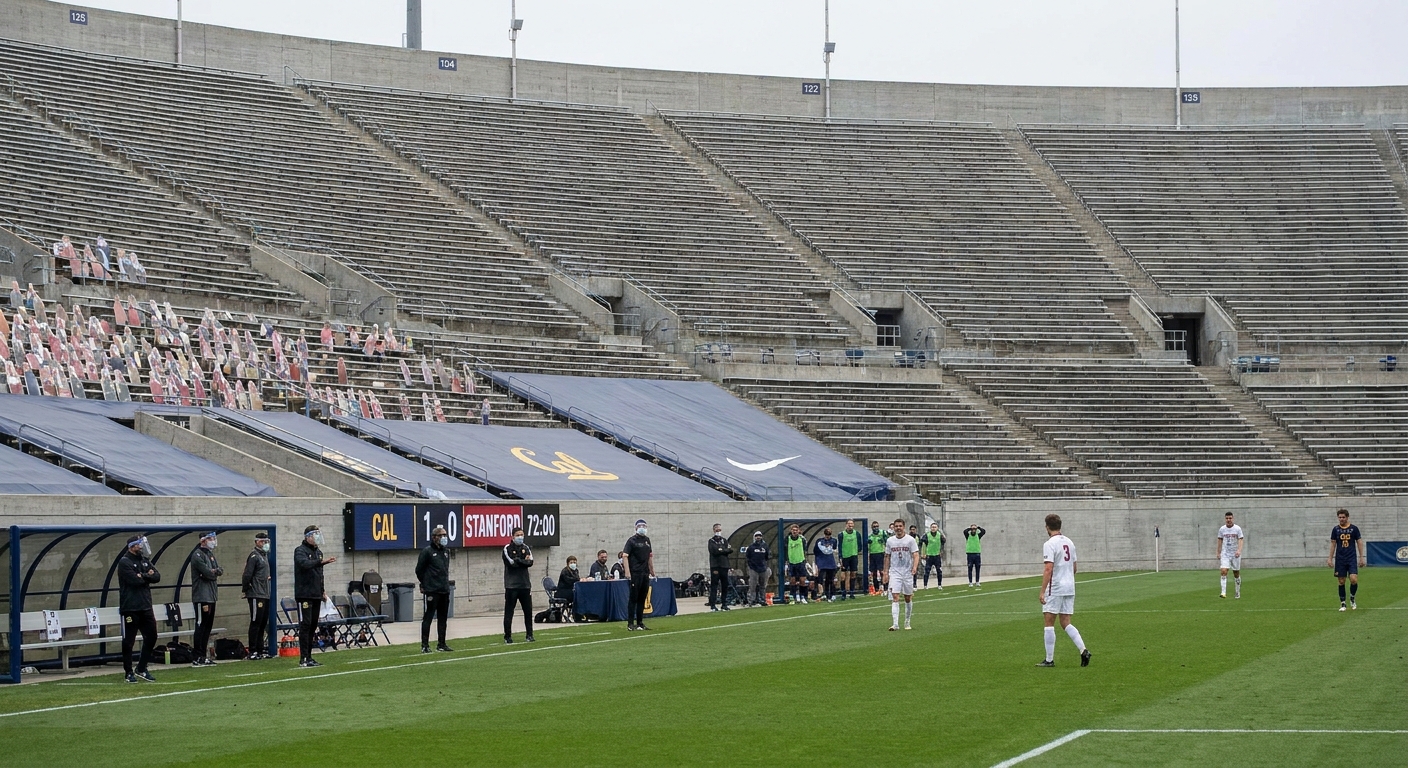
The NCAA’s COVID eligibility relief generally gave athletes an extra season of competition by not charging the COVID-impacted season as a season of participation. In some cases, there was also time-limit relief so athletes could actually use that extra season, but the details varied by division, sport, and individual timeline.
That one summary still does a lot of work, so let’s break it into the two things athletes and families care about most: seasons and the clock.
What the NCAA granted
1) Season-of-competition relief
Normally, NCAA eligibility is limited by seasons of competition. In the simplest terms, most athletes have a set number of seasons they can use, and competing in a season usually uses one of them.
During the COVID disruption, the NCAA treated specific seasons as COVID-impacted. For athletes who were eligible in those seasons, the relief meant the COVID-impacted season generally did not count against the normal season-of-competition limit.
This is the core reason you saw “super seniors.” It was not magic. It was a season that did not get charged the way a normal season does.
2) Time-limit relief (the clock)
Separate from seasons is the eligibility time limit, often called “the clock.”
In Division I, the concept most people know is the five-year clock for many sports. Under normal rules, that clock does not pause just because your season got weird. The COVID relief did not restart everyone’s clock from zero.
What the NCAA did do, depending on division and circumstance, was allow COVID-related exceptions and extensions so certain athletes could have enough calendar time left to actually use the extra season. This was not uniform for every athlete in every sport, which is why two people can both “have a COVID year” on paper and still end up with different practical options.
Spring 2020 vs 2020-21
A lot of confusion comes from the calendar itself.
Some sports had championships and seasons cut off abruptly in spring 2020. Other sports played disrupted schedules in fall 2020, winter 2020, or a shifted 2020-21 season. That is why fans argue online about which year “counts” as the COVID year.
The clean way to think about it is this: the relief was tied to the NCAA-designated COVID-impacted season for your sport, not to a single universal date range that fit everyone perfectly. If you are applying this to a real person, the key question is, Which season did the NCAA treat as COVID-impacted for that sport and division?
Seasons vs the clock
If you have read anything about NCAA eligibility, you have probably seen two separate concepts get mashed together online:
- Seasons of competition (how many seasons you can play)
- The clock (how long you have to use those seasons once it starts)
The COVID relief is best understood as a one-time adjustment that sat on top of the normal structure.
Division I: time kept moving
In Division I, the standard framework most people reference is the five-year eligibility clock (for many sports). Once it starts, you typically have five calendar years to play four seasons, with standard exceptions like redshirts and certain hardship waivers.
COVID relief mostly did not stop time. Instead, it mainly gave athletes a season that was not charged. Then, in some cases, athletes needed additional time-limit relief to make that extra season usable.
A concrete clock example
Here is the cleanest way to picture the difference between “having” the season and being able to use it.
- An athlete starts their Division I five-year clock in 2017-18.
- They have a COVID-impacted season in 2020-21 that is not charged as a season of competition.
- But their five-year window still ends in 2021-22.
In that situation, the athlete can look like they have an “extra season” on paper, yet still run out of time unless an approved time-limit extension applies in their specific case. That is why the phrase “free year” is only true when the season and the calendar both cooperate.
The practical effect
This is the sentence I wish more people would repeat: the COVID relief usually changed how seasons were counted more than it changed how time passed.
So yes, many athletes ended up with what felt like an extra year. No, it was not a total eligibility reset.
Division differences
The headlines make it sound like one rule hit every athlete the same way. In reality, COVID relief was applied across divisions, but the way eligibility is structured is not identical.
Division I
Division I is where you hear the most about the five-year clock. For many athletes, the big COVID effect was getting an uncharged season and then fitting that extra season into their remaining time window.
Division II
Division II is commonly discussed using a term-based time limit, often framed as a 10-semester or 15-quarter rule (depending on the school’s academic calendar). The COVID season relief still mattered, but the practical question often becomes, “Do I still have terms left to use the seasons I have available?”
Division III
Division III is also commonly described with a term-based structure, often framed similarly as 10 semesters or 15 quarters. Just like in Division II, you can have an uncharged COVID season in your history but still need to have enough remaining terms and meet all the normal eligibility requirements to use it.
If you are trying to apply any of this to a real person, the safest approach is to treat division as a first question, not an afterthought.
Who can still use it?
This is where it gets tricky, because there is no single one-line answer that fits every athlete. It depends on when you started college, what division and sport you are in, what seasons you already used, and whether your enrollment and eligibility timeline stayed intact.
That said, here are the most common buckets of athletes who still show up in college sports conversations about a remaining COVID season.
Athletes tied to a roster in the COVID season
If you were eligible and connected to a team during your sport’s COVID-impacted season, that is the cleanest path to having COVID season relief in your eligibility history. In many sports and divisions, eligible, rostered athletes received the season-of-competition relief regardless of actual contest participation, but the specifics still depend on how that sport and division applied the policy and how the athlete’s eligibility was triggered.
Athletes whose timeline overlaps due to redshirts or injury
Some athletes barely played that year, redshirted in another year, or missed time due to injury and ended up with seasons available later. In those cases, the COVID season can still matter because it sits in the middle of their overall eligibility timeline.
Grad and transfer paths
The COVID season relief can follow an athlete through transfers and into graduate enrollment, because it is part of the athlete’s eligibility history, not a school-specific gift.
Just keep this straight: eligibility relief can travel, but opportunity does not. New schools still make roster decisions, scholarship decisions, and administrative decisions about admissions and timing. Those factors can affect whether and where you can actually use the extra season.
What it does not do
When families get surprised, it is usually because they assume COVID relief hit a big reset button. It did not. Think of it more like a specific credit applied to a specific COVID-impacted season, not a full rewind of your eligibility history.
It does not erase other seasons
If you used a season before COVID, that season is still used. If you used a season after COVID, that season is still used. The relief was tied to the COVID-impacted season, not your whole career.
It does not restart your clock
This is the biggest misconception. People say “everyone got an extra year,” and in a lot of cases that is how it felt on the field. But it was not a universal “your time limit restarts.” Your timeline still matters, especially in Division I, and the term limits matter in Divisions II and III.
It does not fix academic eligibility
Progress-toward-degree requirements, GPA standards, and credit-hour rules still exist. COVID relief was about participation and timing relief tied to a disrupted season, not a free pass in the classroom.
It does not guarantee a roster spot or scholarship
Even when an athlete has COVID season relief available, coaches still have to build a roster. Scholarships are limited, budgets are real, and recruiting classes keep arriving. Eligibility is permission, not a promise.
Quick examples
These are simplified examples using the most common public framing people discuss, especially in Division I sports where fans talk about “four seasons within a five-year clock.” They are not meant to cover every edge case, and the exact COVID-impacted season label varies by sport.
Example 1: The classic super senior
- Athlete competes in 2018-19, 2019-20, COVID-impacted season (often 2020-21 for many fall sports), 2021-22
- Normally that looks like four seasons used
- With COVID season relief, the COVID-impacted season may not count as a used season, leaving one more season available if the athlete still has enough remaining time under the applicable time limit
Example 2: Redshirt plus COVID
- Athlete redshirts in 2019-20
- Competes in COVID-impacted season, 2021-22, 2022-23
- Because the COVID-impacted season may not be charged as a season of competition, the athlete can end up with an additional playable season compared to the standard expectation, assuming the clock or term limit still allows it
Example 3: The transfer misunderstanding
- Athlete has COVID season relief in their record
- Transfers and assumes everything automatically extends
- Reality: the relief stays with the athlete, but admissions timing, enrollment status, roster space, scholarship plans, and administrative clearance still control whether the athlete can actually get on the field right away
What to do next
If you are trying to figure out whether a specific athlete can still use COVID season relief, do not guess from social media. Do a quick, boring audit.
- Ask the athletic compliance office for the athlete’s seasons-of-competition history and how the COVID-impacted season was applied in that sport and division.
- Confirm the sport’s COVID-impacted season as your school is applying it. “COVID year” is a nickname, not a bylaw reference.
- Confirm enrollment terms (full-time status and continuous enrollment can matter) using official school records.
- List every season used outside the COVID-impacted season, including redshirts and any hardship waivers.
- Ask two direct questions: “Do I have an uncharged COVID season?” and “Do I still have enough remaining time under the division time limit to use all my seasons?”
FAQ
Is the COVID year the same as a medical redshirt?
No. A medical hardship waiver is based on injury timing and participation limits in a given season. COVID relief was broad, season-based relief tied to pandemic disruption, not an individualized injury waiver.
Does it apply to every NCAA athlete?
It applied broadly to athletes whose eligibility overlapped with their sport’s COVID-impacted season, but the exact effect varies by division, sport, and personal timeline. Two athletes can both have been in college during COVID and still end up with different remaining eligibility.
If I did not compete during the COVID season, do I still get the relief?
In many sports and divisions, yes, if you were eligible and rostered during your sport’s COVID-impacted season. If you were not enrolled, not eligible, or not connected to a team during that season, you generally do not get a bonus season later just because COVID happened.
Can a school choose not to honor it?
A school cannot ignore NCAA eligibility relief, but it can make roster and scholarship decisions that affect whether you have a place to use it. Eligibility and opportunity are related, but they are not the same thing.
The bottom line
The NCAA’s COVID eligibility relief was a rare, sweeping adjustment that, for many athletes, functioned like a free season tied to their sport’s COVID-impacted season. It sits beside the normal eligibility structure, but it does not wipe your slate clean.
If you are trying to figure out whether a specific athlete can still use it, start with two questions: Were they eligible and connected to a roster during the COVID-impacted season for their sport? And how many seasons have they already used outside that season? From there, the remaining details come down to division, sport, enrollment history, and the standard NCAA eligibility rules that never stopped applying.