
If you have ever watched a hockey line change and thought, “That was chaos, but it looked normal,” you are not alone. Changes happen on the fly, legs are burning, and everyone is trying to jump on and off the ice like it is a perfectly timed relay. Most of the time, it is clean. When it is not, you get one of the most frustrating, momentum-swinging calls in the sport: too many men on the ice.
Quick note on the name: the rule term is traditional hockey wording, but it applies the same way in every game, regardless of who is playing.
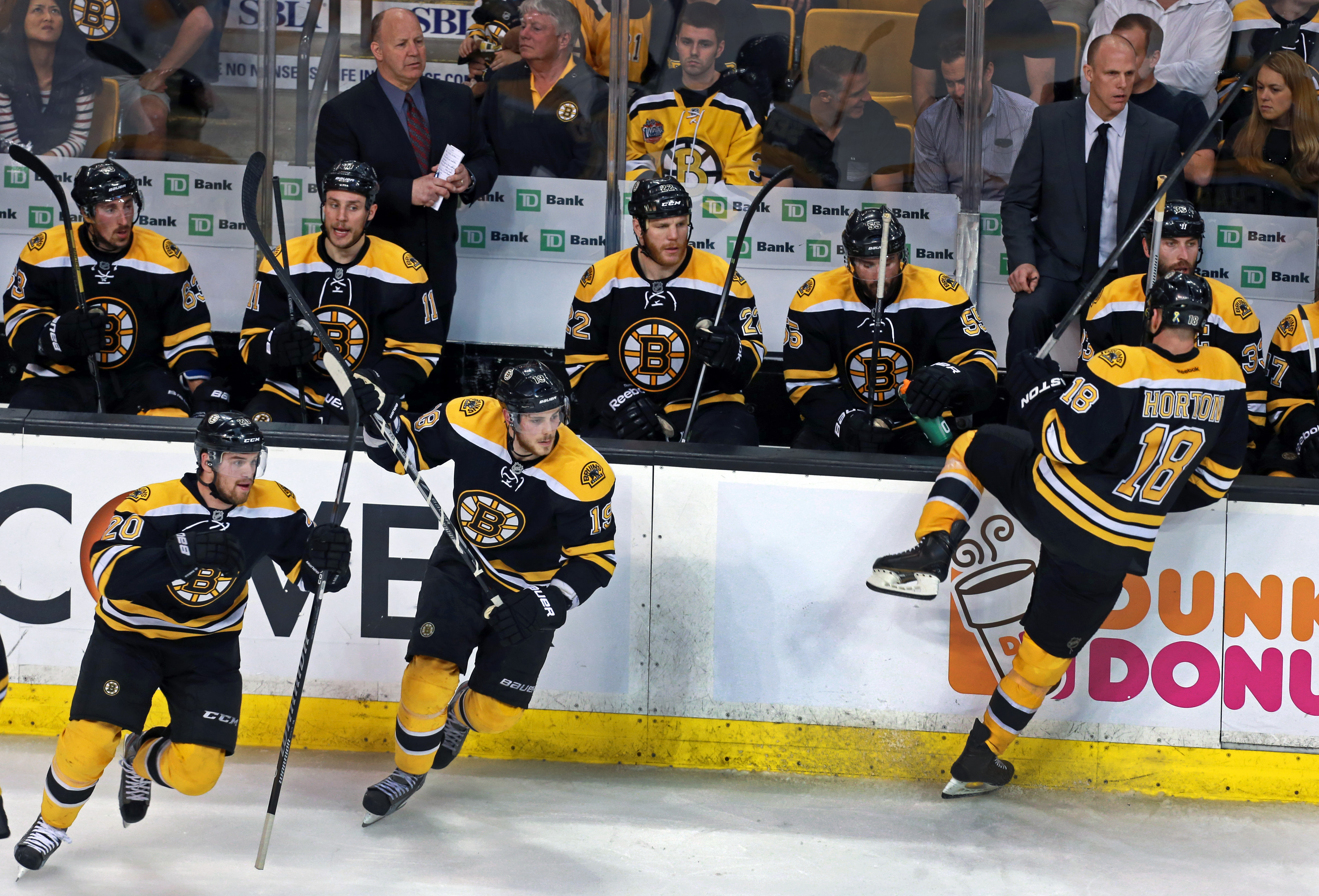
This rule is simple in concept, tricky in practice, and it comes down to one question: is your team effectively playing with an extra skater for that situation?
Too many men on the ice, explained
Too many men on the ice is a bench minor assessed when a team has more players on the ice than allowed for that situation. In standard hockey (NHL and most levels):
- 5 skaters + 1 goalie at even strength
- 4 skaters + 1 goalie at 4-on-4
- 3 skaters + 1 goalie at 3-on-3
If your team has an extra skater participating during live play, officials can call a bench minor, and your team serves two minutes shorthanded.
It is called a “bench” minor because the penalty is charged to the team. The team designates a player to serve it. In practice, it is often someone who was on the ice at the time, but it is a coaching choice, not a fixed rule like “who is closest.”
Why it usually happens
At game speed, line changes are basically organized improvisation. The rule allows a change to happen while play continues, but it does not allow a team to gain an advantage by briefly having an extra skater engaged in the play.
Too many men most often gets called when:
- A player jumps on too early before the changing player is off and out of it.
- The player coming off drifts toward the bench but lingers close enough to matter.
- The puck comes toward the bench side and the change becomes an active part of the play.
- A tired unit tries to “sneak” a change during a scramble and it turns into a numbers mismatch.
When the player coming off still counts
This is the part that drives fans nuts, because it is not just about whether a skate blade is still on the ice. In practice, the call hinges on involvement in the play.
A changing player can still “count” for too many men if they are close enough to the play and could reasonably affect it, even while heading to the bench.
What “in the play” looks like
- Playing the puck: touching it, attempting to control it, or making a play on it while the substitute is already on.
- Pressuring an opponent: pursuing the puck carrier or taking away time and space in a way that changes the opponent’s options.
- Creating traffic: unintentionally or intentionally clogging a lane while an extra player is active.
- Being the extra option: positioning as a passing outlet in a way that influences defensive coverage.
A simple mental test
If the player coming off is still close enough that you would say, “He is still part of that rush,” officials can say the same thing.
By contrast, a player who is clearly headed to the bench, away from the puck, and not affecting opponents is far less likely to be judged as participating, even if the substitute hops on a beat early.
What officials look for
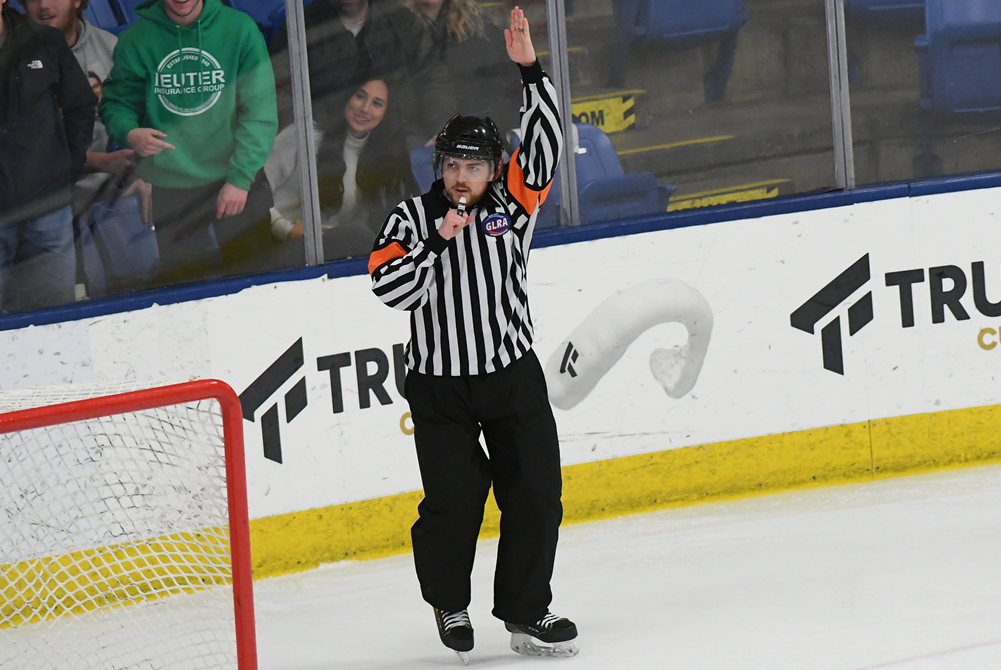
Referees and linesmen both can make this call, and in a lot of games you will see linesmen catch it first because they are constantly tracking changes and the bench side.
The decision often comes down to a few practical cues:
- Distance to the bench: Is the changing player within a couple strides of getting off, or are they still out in the middle of it?
- Proximity to the puck: Is the puck near the bench side or about to enter the lane the changing player is occupying?
- Immediate impact: Did the overlap create an advantage, like forcing a turnover, disrupting a pass, or creating an odd-man look?
- Timing: Was there a clear overlap where both players were effectively usable in the play?
In other words, officials are not trying to punish every imperfect change. They are trying to prevent the change from turning into a temporary power play.
Common scenarios
1) Puck comes to the bench
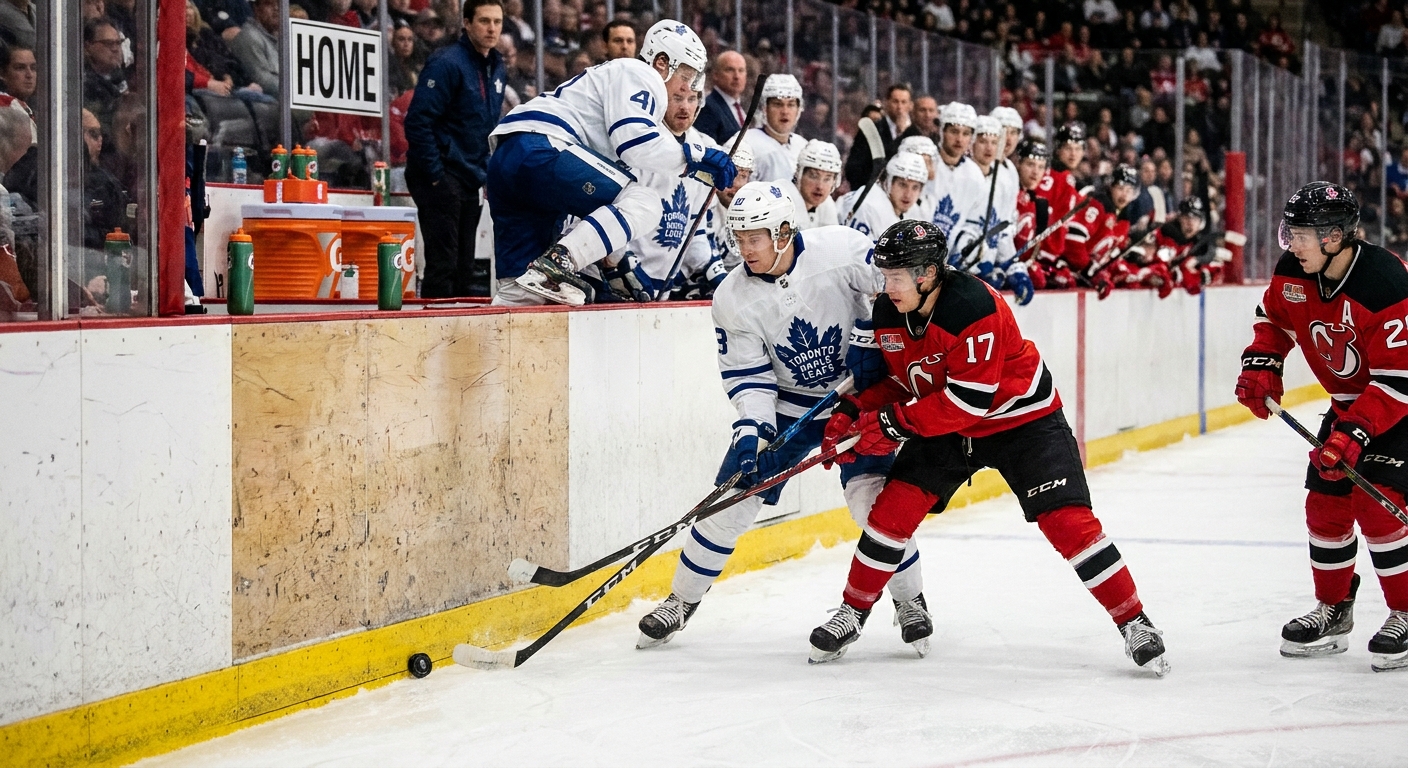
A defenseman rims the puck up the boards right in front of the benches. One winger is stepping on as another is stepping off. Suddenly both can get to the puck. If either player plays the puck while the change is still illegal, you are begging for a too-many-men call.
2) The tired forechecker who will not peel off
A forward is gassed and angles toward the bench, but keeps chasing for one more stride, one more stick check. The new guy hops on and joins the pressure. That overlap, two players pressuring the same puck battle, is exactly what “in the play” looks like.
3) The extra outlet
A player coming off glides through the neutral zone near the bench side, and the puck carrier uses him as a decoy or outlet while the replacement is already engaged. Even if the changing player does not touch the puck, the extra body can influence coverage enough to justify the call.
How it is served
Too many men is a two-minute minor. Because it is a bench minor, a player is selected to serve it, and the team plays shorthanded.
One wrinkle for fans: the player who caused it is not always the one in the box. Coaches often pick someone who can be spared from the next rotation, especially if the guilty party is a key penalty killer or top-line scorer.
Exceptions and clarifications
Two quick points that clear up most of the confusion without turning this into a rulebook lecture.
Goalie pulled for an extra attacker
Late in a game, teams pull the goalie and send out an extra skater. That is legal, but it still has to be a legal substitution. The goalie still counts as a player until he is properly off and out of the play. If the extra attacker participates while the goalie is still effectively part of the on-ice lineup, it can turn into too many men.
Delayed penalty situations
When the other team has a delayed penalty coming, the non-offending team often brings the goalie to the bench early to add an extra skater. That is legal if it is done correctly, but sloppy timing can still create an illegal overlap.
Too many men vs. illegal substitution
You will hear broadcasts use a few phrases: “too many men,” “too many men on the ice,” and “illegal substitution.” In everyday hockey language, they are often used interchangeably to describe the same basic issue: a change that results in an extra skater being part of live play.
Quick FAQ
Is it too many men if a player is stepping off but still on the ice?
Not automatically. The key is whether that player is still involved in the play. If they are near the puck, pressuring, or affecting the action while the substitute is already engaged, officials can call it.
How many players are allowed during a normal shift?
At even strength, it is five skaters plus a goalie. Special situations change the skater count, but the “no extras for that situation” concept stays the same.
Why does it feel inconsistent?
Because line changes live in a gray area. Officials generally let minor overlap go if it does not impact play, but they will tighten up quickly when the overlap creates an advantage.
Can a team get too many men on a power play?
Yes. Even on a power play, you are still limited to the correct number of skaters for that situation. A bad change can still put you over the limit.
The bottom line
Too many men on the ice is hockey’s way of saying: make your change, but do not turn it into an extra attacker. The moment the player coming off is still close enough to disrupt, defend, or touch the puck while the replacement is already active, officials can treat it like your team is playing with an extra skater.
It is a small mistake that can swing a period, and as a former player, I can tell you it feels brutal in real time because it is usually not lazy. It is the exact opposite. It is guys trying too hard to squeeze one more second out of a shift and one more inch out of a forecheck.