
If you have ever felt your calf turn into a rock right as the game gets fast, you are not alone. Calf cramps love high-stakes moments: late-game presses in soccer, third-quarter runs in basketball, and those long, choppy sprints in lacrosse or football where you are on your toes more than you realize.
The good news is most in-game calf cramps come from a handful of repeat offenders. Let’s break down the five most common triggers and what you can do immediately on the sideline, plus the habits that make cramps way less likely next weekend.
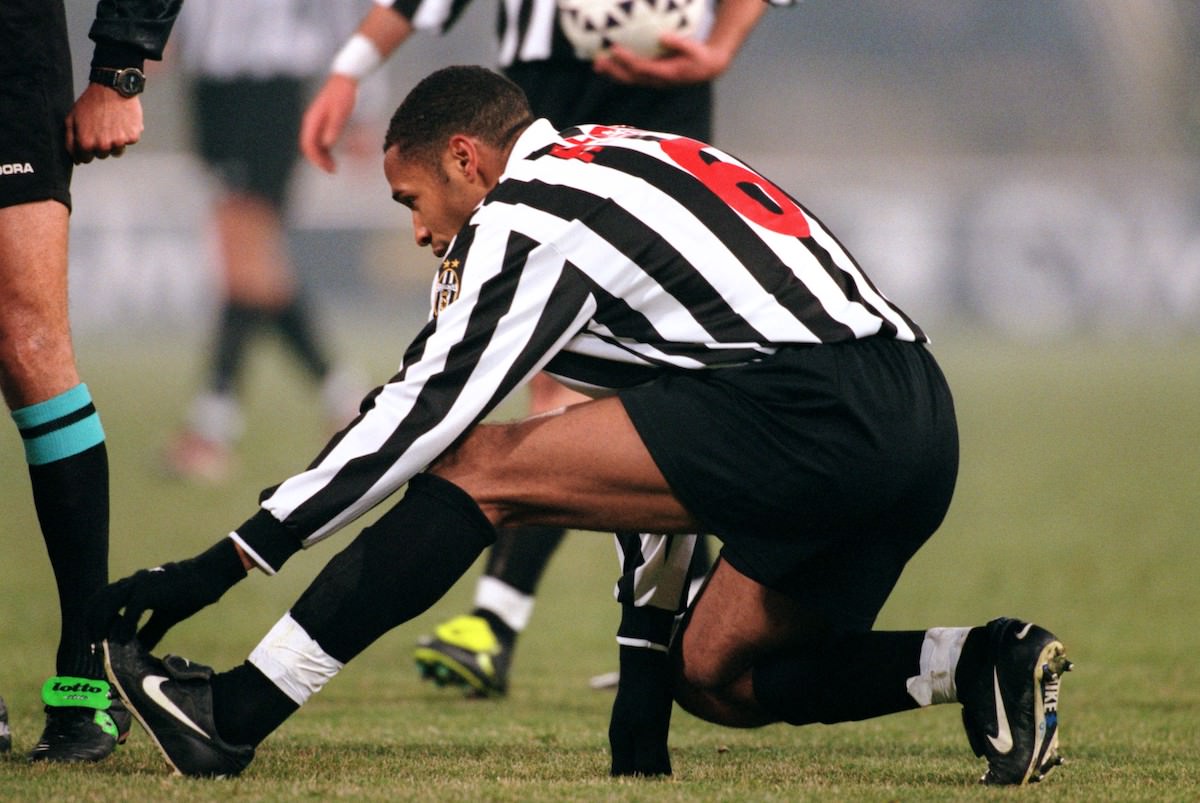
First, what a calf cramp usually is
Most game-time calf cramps are sudden, involuntary muscle contractions in the gastrocnemius or soleus. They can feel like a stabbing knot, a hard ball under the skin, or a locked-up ankle that will not let you push off.
They are often triggered by a mix of factors, not just one. You can be a little dehydrated, a little under-fueled, and a little overworked, and your calves are the ones that file the complaint.
One important note: a lot of exercise-associated muscle cramps are driven mainly by neuromuscular fatigue and load. Hydration and sodium can still matter, especially in heat or long tournament days, but they are not the only story.
Cause 1: Dehydration (you started behind)
If you are already down on fluids when the whistle blows, your body has less margin for error. Even mild dehydration can make it harder to regulate heat and can increase perceived effort, which ramps up fatigue and tightness. It is usually a contributor, not a solo culprit.
Quick sideline fixes
- Drink steadily, not all at once. Take small, frequent sips over 5 to 10 minutes.
- Cool off and decompress. Shade, loosen gear, and if available, use a cold towel on the neck or head. This can improve thermal comfort and help with heat management, even if it does not instantly change core temperature.
- Avoid chugging right before you check back in. It can upset your stomach and it will not “instantly” hydrate the muscle.
Long-term prevention habits
- Show up hydrated. A simple check: your urine should be pale yellow, not apple-juice dark.
- Build a game-day drinking plan. Start earlier in the day, then top off in the 60 to 90 minutes pregame.
- Practice hydration in practice. If you never drink during training, game-day habits can feel foreign.
Cause 2: Low sodium (you lost more salt than you replaced)
Sweat is not just water. You lose sodium and other electrolytes, and some athletes are heavy, salty sweaters. For those players, not replacing sodium during long, hot, high-sweat games can increase cramp risk, mostly by accelerating fatigue and making the whole system feel “off.”
Also worth saying clearly: most single-muscle cramps are not a simple “my blood sodium is low” problem. Sodium is still a smart lever in the right setting, but it is not a guaranteed instant fix.
Quick sideline fixes
- Add sodium if the situation matches. Sports drink, electrolyte tabs mixed into water, or a salty snack can help on hot days, long games, or tournaments.
- Pair electrolytes with fluid. Sodium works best when you are also replacing water.
- Think prevention, not magic. This can reduce repeat cramps and help you recover for the next stretch, even if it does not end the cramp in 30 seconds.
Long-term prevention habits
- Know your sweat profile. If your jersey gets crusty or you leave salt marks, you likely need more sodium than the average player.
- Use electrolytes strategically. Hot days, doubleheaders, and high-minute matches are the time.
- Do not overdo it. More is not always better. If you have high blood pressure or a medical condition, check with a clinician.
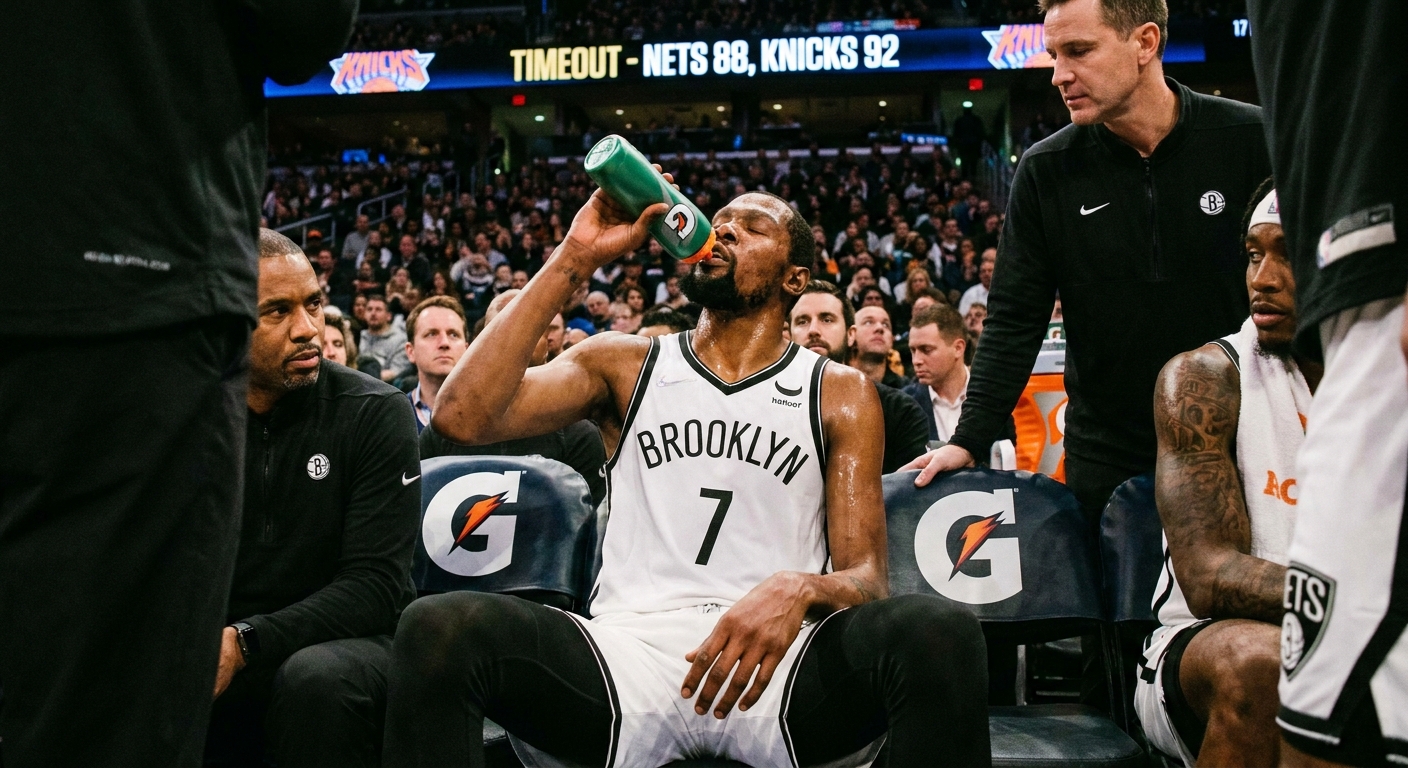
Cause 3: Fatigue and load spikes (the big one)
This is the big one. Calves cramp when they are asked to do more than they are conditioned to do, especially in the exact way the sport demands. Late-game cramps are often a neuromuscular fatigue problem first, with hydration, heat, and sodium acting as accelerators.
Soccer and field sports load the calves with repeated accelerations, decelerations, and toe-off sprints. Basketball adds constant short bursts plus a lot of time on the balls of your feet in defensive stance. If your minutes jump, your intensity spikes, or you are coming back from a layoff, your calf tissue is more likely to revolt.
Quick sideline fixes
- Change the task for a few minutes. If you can, play a role that reduces repeated max sprints. In soccer, that might mean sitting deeper for a stretch.
- Gentle calf stretching. Straight-knee stretch hits more gastrocnemius, bent-knee hits more soleus. Hold 20 to 30 seconds, breathe.
- Light calf “pumps.” After the cramp releases, do controlled ankle pumps and slow calf raises to reintroduce contraction without panic.
- Add quick carbs if you are fading. If it is a long match or you have multiple games, a simple carb source at halftime or between games (sports drink, gel, banana, chews) can help reduce fatigue.
Long-term prevention habits
- Progress your conditioning. Add volume and intensity gradually, especially preseason and return-to-play.
- Train calves like a performance muscle. Two to three short sessions a week can go a long way: seated calf raises (soleus), standing calf raises (gastrocnemius), and single-leg work.
- Add deceleration strength. Eccentric calf work (slow lowering) helps when you are braking and changing direction.
Cause 4: Footwear and surface (your leverage is off)
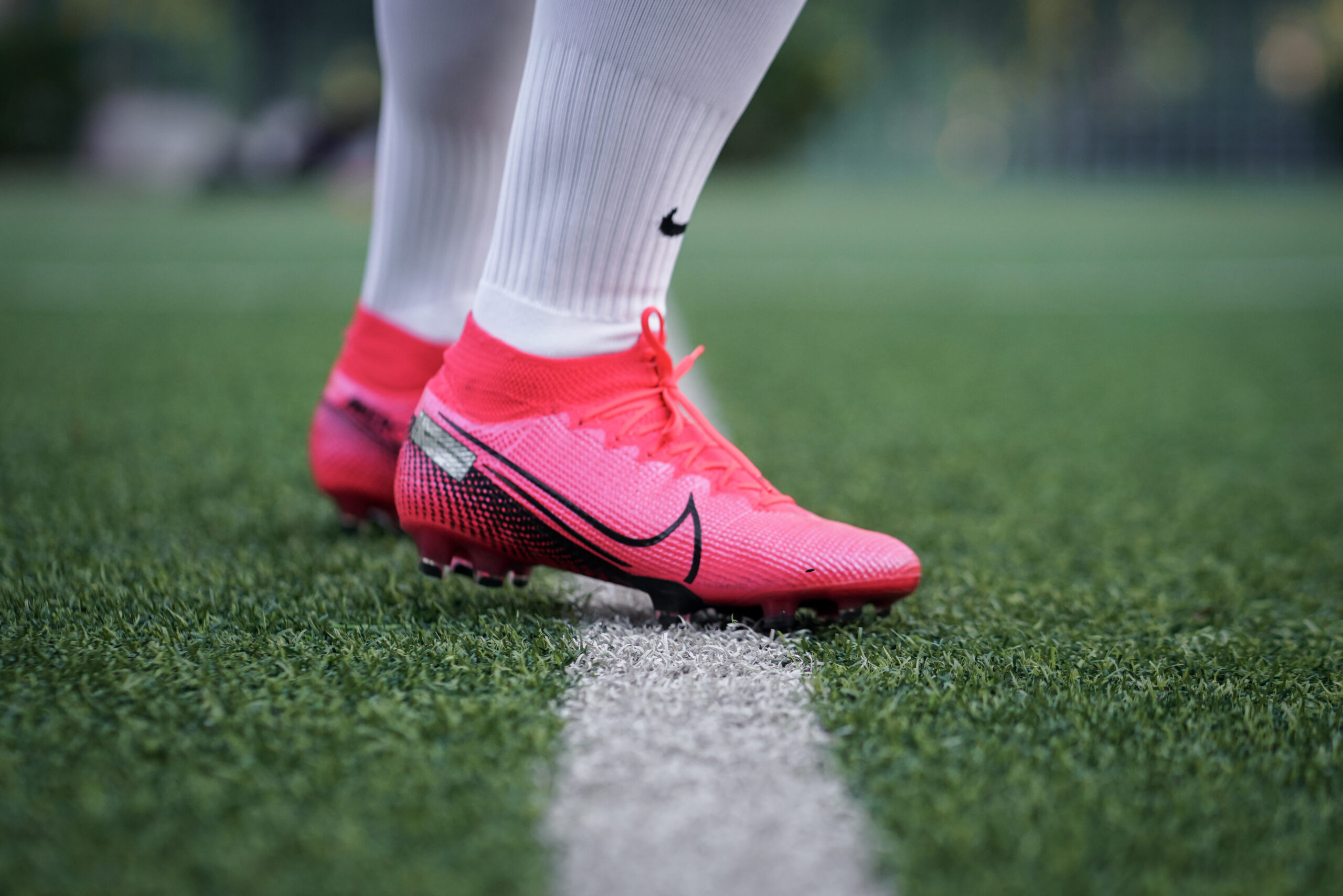
Cleats that are too tight, shoes with worn-out cushioning, or a sudden switch in heel-to-toe drop can all change how much load your calves absorb. Same goes for surfaces. Turf can feel grabby and unforgiving. Hardwood punishes if your shoes are dead. Even a slightly different insole can change your mechanics just enough to trigger cramps when fatigue sets in.
Quick sideline fixes
- Loosen laces and check pressure points. Especially around the midfoot and ankle collar.
- Swap footwear if you can. If you have backup shoes or different studs for the surface, it can be an instant relief.
- Quick calf and foot reset. Roll a ball under your foot for 30 to 60 seconds, then do gentle calf stretches.
Long-term prevention habits
- Replace worn shoes. If the outsole is cooked or the midsole feels flat, your lower leg pays.
- Break in new shoes in practice. Never debut brand-new footwear in a full-speed match.
- Match traction to the surface. Too much grip can increase calf and Achilles load during cuts.
Cause 5: Nerve tension and mobility limits
Sometimes the calf is the victim, not the criminal. Tight hamstrings, restricted ankle mobility, or nerve tension from the low back and sciatic pathway can contribute to calf tightness and cramp-like symptoms. When you add game speed and fatigue, that extra pull down the chain can show up as recurring calf issues.
This does not automatically mean something serious is wrong. It often means your system might need better mobility and a smarter warmup, not just more willpower. If it keeps happening, get it assessed.
Quick sideline fixes
- Try a bent-knee calf stretch first. Soleus tightness is a common cramp partner in court sports.
- Do a gentle nerve glide. Think controlled movement, not an aggressive stretch: straighten the knee a bit while flexing the foot, then ease off. If it spikes pain or creates tingling, stop.
- Reset with breathing. Slow nasal breaths can reduce the “panic clamp” feeling after a cramp.
Long-term prevention habits
- Improve ankle dorsiflexion. Calf and ankle mobility drills, plus strength through range, can reduce overload.
- Warm up with a ramp. Skips, pogo hops, and progressive accelerations prepare the calf for repeated toe-offs.
- Address your posterior chain. Glute strength and hamstring control often take pressure off the lower leg.
The 90-second sideline protocol
If you cramp mid-match, you want something simple you can repeat without overthinking. Here is a quick sequence that works well for most athletes:
- Stop and breathe. Give it 10 to 15 seconds to unclench.
- Stretch the specific calf. Straight knee for upper calf, bent knee for deeper calf. Hold 20 to 30 seconds.
- Hydrate steadily. Take small, regular sips. Skip the chug-and-sprint routine.
- Add sodium if you are sweating heavy. Sports drink or electrolytes if it is hot, humid, or you are in a long tournament day.
- Reintroduce load gradually. Ankle pumps, then a few slow calf raises, then jog, then game speed.
If it re-cramps immediately every time you push off, your body is telling you it is not ready for full speed yet. That is frustrating, but it is also useful information.
Prevention checklist for your next game
- 24 hours before: Eat balanced meals, salt food normally, and get solid sleep.
- Pregame: Arrive early enough to warm up progressively, not frantically.
- During: Sip fluids consistently. Add electrolytes on hot or high-sweat days. Consider quick carbs at halftime or between games if intensity is high.
- Training: Add calf strength work and gradual conditioning, especially if your minutes are climbing.
- Gear: Wear broken-in shoes and surface-appropriate traction.
When it is not just a cramp
Most calf cramps are benign and fixable. But you should get evaluated if you notice any of the following:
- Sudden sharp pain with a pop, swelling, bruising, or inability to walk normally (possible strain or tear). If you suspect a tear, avoid aggressive stretching and get assessed.
- Cramping plus persistent numbness, tingling, or shooting pain (possible nerve involvement).
- One-sided calf swelling, warmth, redness, or pain that does not match your activity level (seek urgent medical care to rule out a blood clot).
- Cramps that keep happening despite improved hydration, sodium strategy, and conditioning.
Also stop playing and get help if you have heat-illness warning signs like confusion, dizziness, chills, headache, or nausea that is out of proportion to the effort.
FAQ
Why do my calves cramp late in the game even when I drink water?
Water helps, but late-game cramps are often fatigue-related and tied to load. On hot or high-sweat days, plain water alone may not replace what you lost. Also, hydration does not fix a calf that is undertrained for repeated sprints and cuts.
Should I stretch a cramping calf or massage it?
Gentle stretching is usually the fastest way to release the spasm. Light massage can help afterward, but aggressive digging while the muscle is locked can make it more irritated.
Do compression sleeves prevent calf cramps?
Some athletes feel better in them, likely due to warmth and perceived support. They are not a guaranteed fix. If you cramp because of load, footwear, or hydration strategy, sleeves will not solve the root issue.
What is the best strength exercise to prevent calf cramps?
Two staples: standing calf raises (knee straight) and seated calf raises (knee bent). Build up gradually and include slow lowering to train control for deceleration.