
I have coached enough youth hoops to know this part never feels simple for parents: the moment your kid stops being “the little one” and starts asking for the real version of the sport. In football, that usually means the jump from flag to tackle. And even though I coach basketball, I have spent plenty of time around youth football sidelines too. The same patterns show up in every sport: kids develop at different speeds, and the adults set the tone.
There is no magic birthday that makes tackle football “safe,” but there are better and worse times to start based on a child’s body, emotional readiness, and how a league teaches contact. If you are trying to make a smart call without getting pulled into fear or hype, this is the roadmap I would use with my own family.
The age question
In the U.S., many leagues start organized flag football around ages 5 to 7. Many communities also offer some form of tackle football starting roughly around ages 7 to 9. What that tackle format looks like can vary a lot by program, including 6v6, 8-man, 9-man, or full 11-on-11 well before middle school in some areas.
From a parent decision standpoint, a common, practical path is:
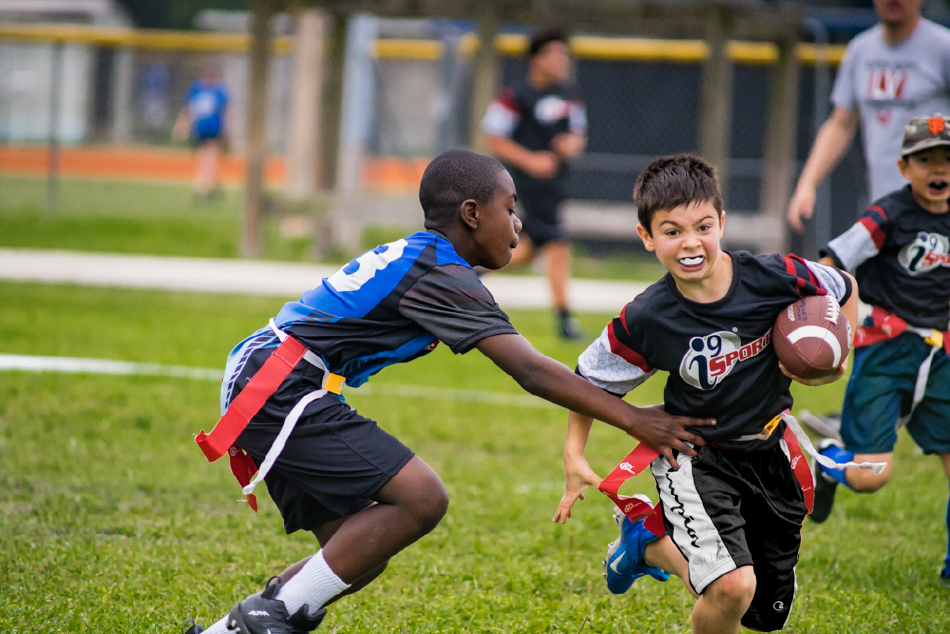
- Flag first (roughly ages 5 to 10 or 12) to build skills, love for the game, and body control with far less head-impact exposure.
- Consider tackle later (often around ages 11 to 14) if your child wants it, shows clear readiness, and the program has strong safety culture and coaching.
Some kids are ready earlier. Some should never play tackle. The goal is not to win the “start early” race. The goal is to give your child the best chance to enjoy football while limiting unnecessary risk.
What experts and leagues emphasize
Medical and public health guidance around youth football tends to land on a few consistent themes:
- Reduce head impacts, especially repeated, routine contact. Concussions matter, but so does cumulative exposure to smaller hits that do not cause obvious symptoms.
- Delay full-contact exposure when it is practical. Many experts encourage flag football early, then a later transition to tackle if a child still wants it.
- Make coaching and technique the priority. Heads-up tackling, no helmet-first contact, and teaching players to see what they hit should be baseline standards.
- Have a real concussion protocol and follow it every time. “When in doubt, sit them out” is not a slogan. It is the minimum.
League rules vary by state, school district, and organization. Some contact limits are also governed by state athletic associations or league-wide policies. If you are considering tackle, ask for the written policy on contact in practice and concussion management. If they cannot show it or explain it clearly, that tells you something.
You will often see age-banded options like:
- 5 to 7: flag only
- 7 to 10: tackle in some areas, sometimes with modified rules or smaller formats
- 11 to 14: more standard tackle structures, often with stricter contact limits in practice
- 14+: high school rules depending on grade and jurisdiction
Instead of searching for a universal rule, evaluate the specific program your child would join. Two leagues can share the same age bracket and feel like different sports in terms of contact and safety.
What to prioritize by age
Ages 5 to 7
At this age, the win is coordination and confidence. Flag football is ideal because kids learn how to:
- run, cut, and fall
- track a ball
- understand spacing and basic positions
- play in a team structure without fear of contact
Even if tackle is offered, I would lean flag here for most kids. Their neck strength, balance, and attention span are still developing, and coaching quality varies wildly at these ages.
Ages 8 to 10
This is when a lot of kids start looking like “real football players” in the way they move. Some families consider an introductory tackle program here.
If you are thinking about it, the question is less “Is my kid tough enough?” and more:
- Is the league teaching contact, or just allowing it?
- Are coaches certified and consistent about technique?
- How many contact days are allowed in practice?
- Is there an athletic trainer or a clear medical plan on game days?
Flag is still an excellent choice at 8 to 10 because the skill carryover is real. A kid who learns to separate at the top of a route in flag will get open in tackle later.
Ages 11 to 12
For many kids, late elementary to early middle school is a window where tackle can make more sense. Bodies are stronger, kids can follow more detailed instruction, and they can better report symptoms and emotions.
This is also the age where you can find programs that treat contact like a progression, not a free-for-all.
Ages 13 to 14
By early teens, speed and strength differences widen. If your child is new to tackle at this stage, it is still doable, but the program must be technically sound and patient.
Look for teams that teach:
- proper tackling angles and leverage
- how to absorb contact with the shoulder and torso, not the head
- blocking with hands and hips, not helmet-first collisions
Head impacts
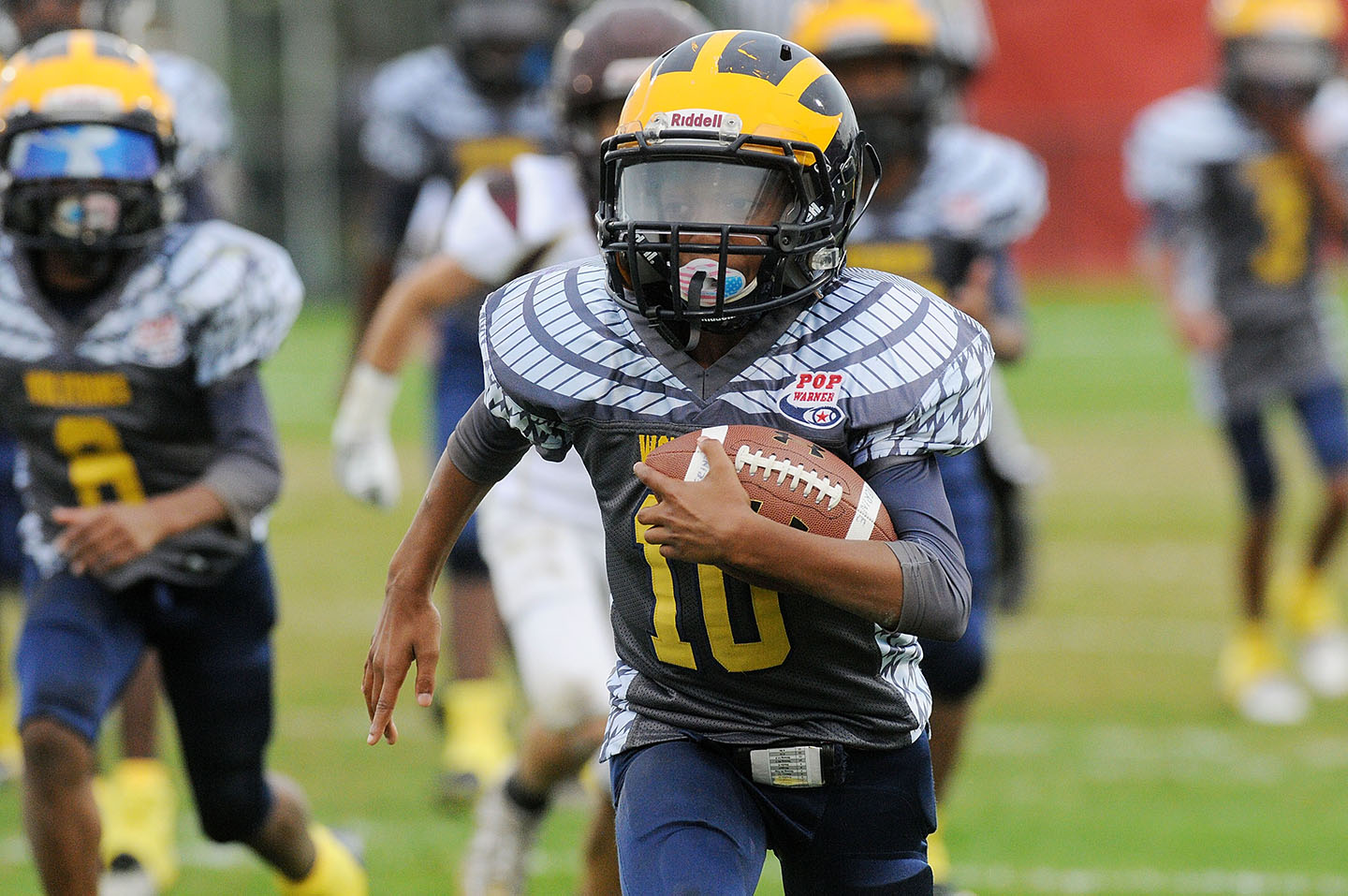
Parents often ask, “Is tackle football safe?” The more helpful question is: How much head contact is my child accumulating, and how often?
There are three realities worth holding at the same time:
- Concussions are only part of the story. A child can have no diagnosed concussion and still take a lot of hits over a season.
- Practice is where many impacts happen. Research on youth and high school football has found that a large share of head impacts occur during practice, which is why contact limits and drill selection matter.
- Position and play style matter. Linemen and frequent tacklers tend to have more contact than wide receivers in many youth settings, although youth football can be chaotic and usage varies by scheme.
If your child does play tackle, your best risk reducers are not a new helmet model or a fancy mouthguard. They are coaching, contact limits, proper fit of equipment, and a strict concussion response plan.
Is my child ready?
Readiness is not just physical size. In youth sports, the biggest problems usually start when a kid feels overwhelmed, scared to admit symptoms, or pressured to “be tough.” Here are signals I like to see before a switch to tackle:
Physical and skill readiness
- Body control: can stop, start, and change direction without constantly falling
- Basic football literacy: understands positions, spacing, and simple assignments
- Comfort with contact in controlled settings: not reckless, not panicked
- Stamina: can handle practices without melting down halfway through
Emotional readiness
- They want it. Not you, not their friends, not the family group chat.
- They can speak up. If something hurts, feels “off,” or they are dizzy, they will tell an adult.
- They handle coaching. Corrections do not crush them, and they can focus when instruction gets detailed.
Family readiness
- You can commit to attending games and understanding the rules. Parents are part of the safety net.
- You are comfortable sitting them out. Even if it is a big game. Even if they beg.
One more thing parents ask about a lot: medical history. If your child has a history of concussion, migraines, or other neurologic concerns, or you have learning or attention concerns, it is worth discussing tackle football with your clinician before you commit. That is not fear. That is good planning.
What flag gives you
Flag is not “less than.” It is a different version of the sport that can build an awesome foundation.
Flag football helps kids develop:
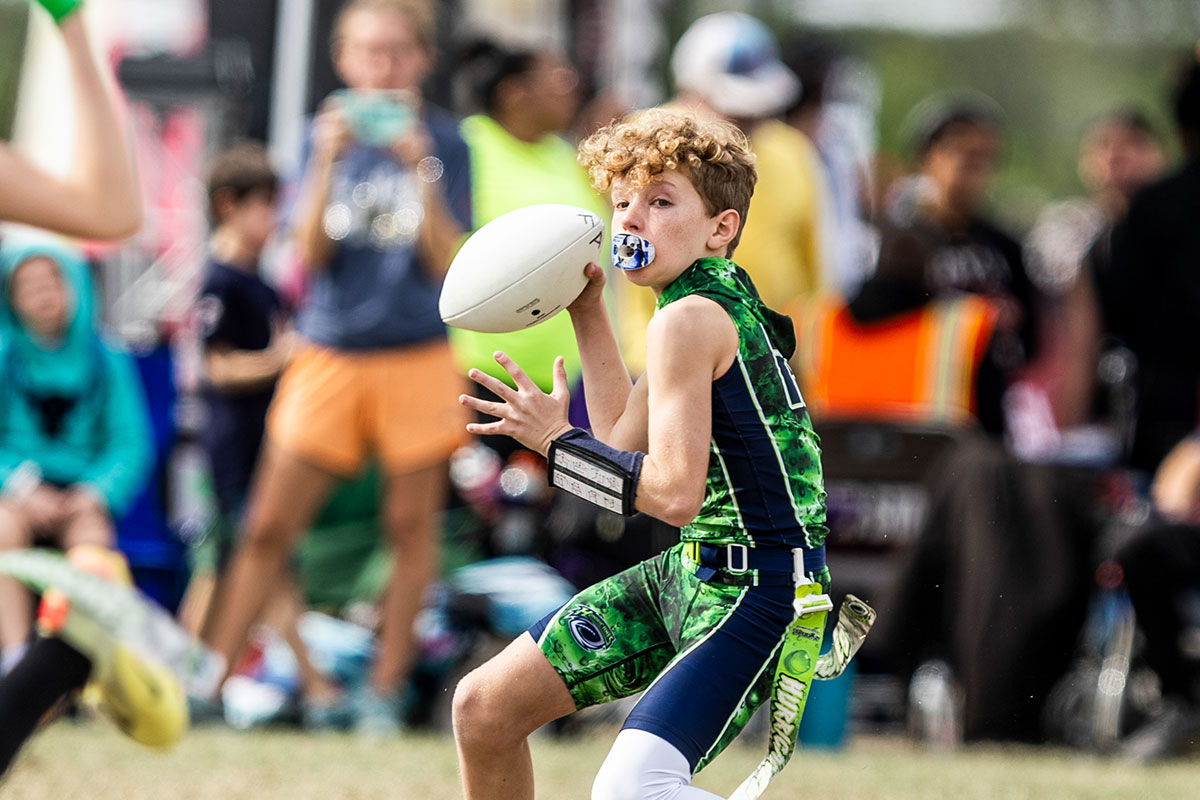
- Receiving and ball skills: more touches, more targets, more confidence
- Footwork and separation: route running, change of direction, timing
- Spatial awareness: learning angles and pursuit without the collision
- Decision-making: quarterbacks especially get more reps reading defenders
And there is a simple truth: kids who love football tend to stay in it. If flag keeps your child excited and healthy, that matters. A lot.
Pick a safer tackle program
If your family decides to make the jump, treat the program like you would treat a school choice. Ask questions. Listen to the answers. Watch a practice if you can.
Questions to ask
- How do you teach tackling progression, and when do kids start live tackling?
- How many full-contact practices do you have per week?
- Do you limit contact drills such as Oklahoma or full-speed goal line?
- Who is responsible for concussion evaluation on game day?
- What is your return-to-play process after suspected concussion?
- How do you handle a player who reports symptoms?
- Do you teach heads-up contact and penalize helmet-first hits in practice?
- Can you share your written policies for contact limits and concussion management?
Green flags
- Coaches are calm, organized, and technique-focused.
- They talk about safety before they talk about winning.
- They rotate positions when possible at younger ages, instead of locking kids into constant collisions.
- They have clear policies, not “we usually” or “we kind of.”
Red flags
- “Football is football” is used to dismiss questions.
- Players are encouraged to “shake it off” after head contact.
- Most drills are high-speed collisions with little instruction.
- Equipment is old, ill-fitting, or treated like it does not matter.
Equipment basics that actually help
Equipment will not make tackle football risk-free, but fit and upkeep matter. Before your child ever takes contact, I would want to know:
- Helmet fit and condition: it should sit level (not tipped back), feel snug all around, and the chinstrap should keep it from sliding when they move their head. Ask whether helmets are reconditioned and recertified according to league policy.
- Shoulder pad fit: pads should cover the shoulder and upper chest without floating up, and the player should be able to raise arms comfortably.
- Mouthguard use: wear it consistently. It is not a concussion shield, but it helps protect teeth and can reduce the chaos of a player constantly adjusting gear mid-play.
If you suspect a concussion
If your child takes a hit and you suspect a concussion, the safest move is simple: pull them from play immediately. Do not wait for them to “feel better” after a series. Do not let the moment talk you out of it.
Common signs
- headache or pressure in head
- dizziness, balance problems, nausea
- confusion, slow responses, memory issues
- sensitivity to light or noise
- behavior changes, irritability, unusual emotion
- sleepiness or trouble sleeping
What to do now
- Remove from play. No same-day return if a concussion is suspected.
- Get evaluated by an appropriate medical professional as soon as possible.
- Watch for red flags like worsening headache, repeated vomiting, seizure, neck pain, weakness, or unusual drowsiness. Seek emergency care if these appear.
- Follow a stepwise return-to-school and return-to-sport plan cleared by a clinician.
If a league cannot clearly explain how they handle suspected concussions, that is not a “small detail.” That is your answer.
So what age is best?
If you want a practical, parent-friendly takeaway:
- Flag football is a great start for many kids starting around age 5 to 7.
- For families trying to reduce early head-impact exposure, a later transition to tackle, often around ages 11 to 14, is a common path.
- The right age depends on the child and the program. A well-coached 10-year-old in a safety-first league may be in a better situation than a 12-year-old in a disorganized program that treats contact like entertainment.
As a former athlete, I love this sport. As someone who has been around youth sports long enough to see how quickly things can go sideways, I will say it plainly: the best football decision is the one that keeps your kid healthy, confident, and still excited to come back next season.
FAQ
Is flag football safer than tackle football?
In general, yes. Flag football typically involves fewer high-force collisions and less head-impact exposure. Injuries can still happen in flag, but the contact profile is different.
Will starting tackle later put my child behind?
Not automatically. Kids can learn tackling technique later, especially if they already have strong athletic fundamentals from flag, other sports, or both. The bigger factor is quality coaching and a patient learning environment.
Does better equipment make tackle football safe?
Good equipment fit matters, but no helmet can prevent all concussions. Technique, contact limits, and a strict concussion protocol are bigger levers for reducing risk.
What should I watch at a practice?
Look for teaching progression, controlled contact, lots of instruction, and coaches correcting unsafe behavior immediately. If you see repeated helmet-first contact or chaotic full-speed drills, consider that a warning sign.