
Functional strength is the kind that shows up in the real world and in sports. It’s picking up a kid and not tweaking your back. It’s winning a loose ball because your hips stay low and your core stays locked in. It’s finishing the last sprint because your legs are strong and your lungs don’t panic.
The good news: you don’t need a garage full of steel to train that way. With smart, versatile equipment under $200, you can build a compact setup that hits pushing, pulling, hinging, squatting, carrying, rotation, and conditioning.
How I picked these (so you don’t waste money)
- Versatility per dollar: One item should unlock multiple movement patterns or progressions.
- Small-space friendly: Apartment corners count. Gear that stores easily gets bonus points.
- Durability and safety: If it’s going over your head or under your feet, it has to be dependable.
- Sport carryover: Grip, core stability, single-leg strength, and conditioning that translates.
Price note: Costs vary by brand and sales. I’m keeping every recommendation realistically available under $200 at typical retail, but a few categories (like adjustable bells and TRX-style straps) can creep over depending on the name on the box. If it’s not under $200 when you shop, don’t force it. Grab the next-best option in the bundles below.
The best home gym equipment under $200
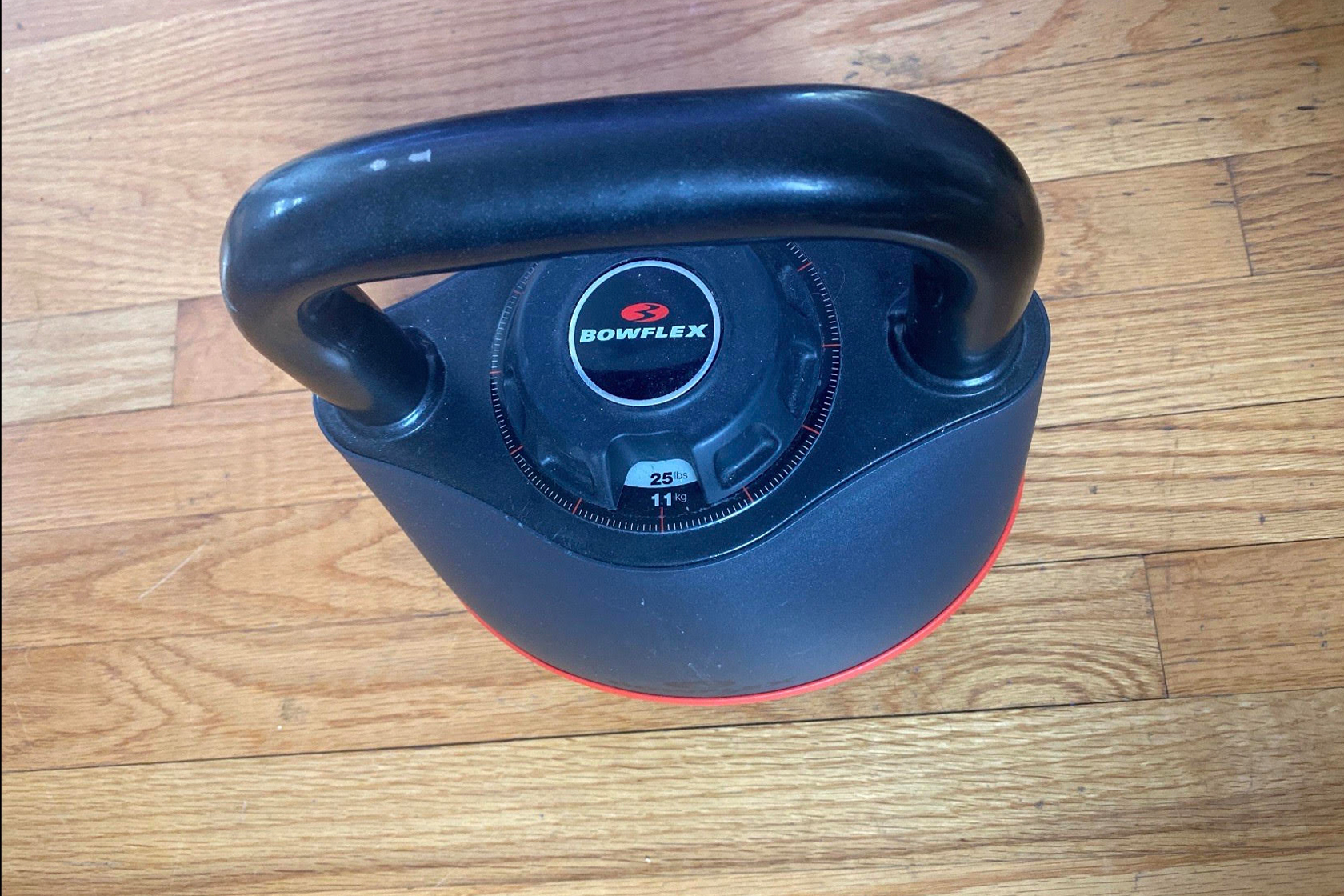
1) Adjustable kettlebell
Typical price: $120 to $200 (often under, sometimes right at the line)
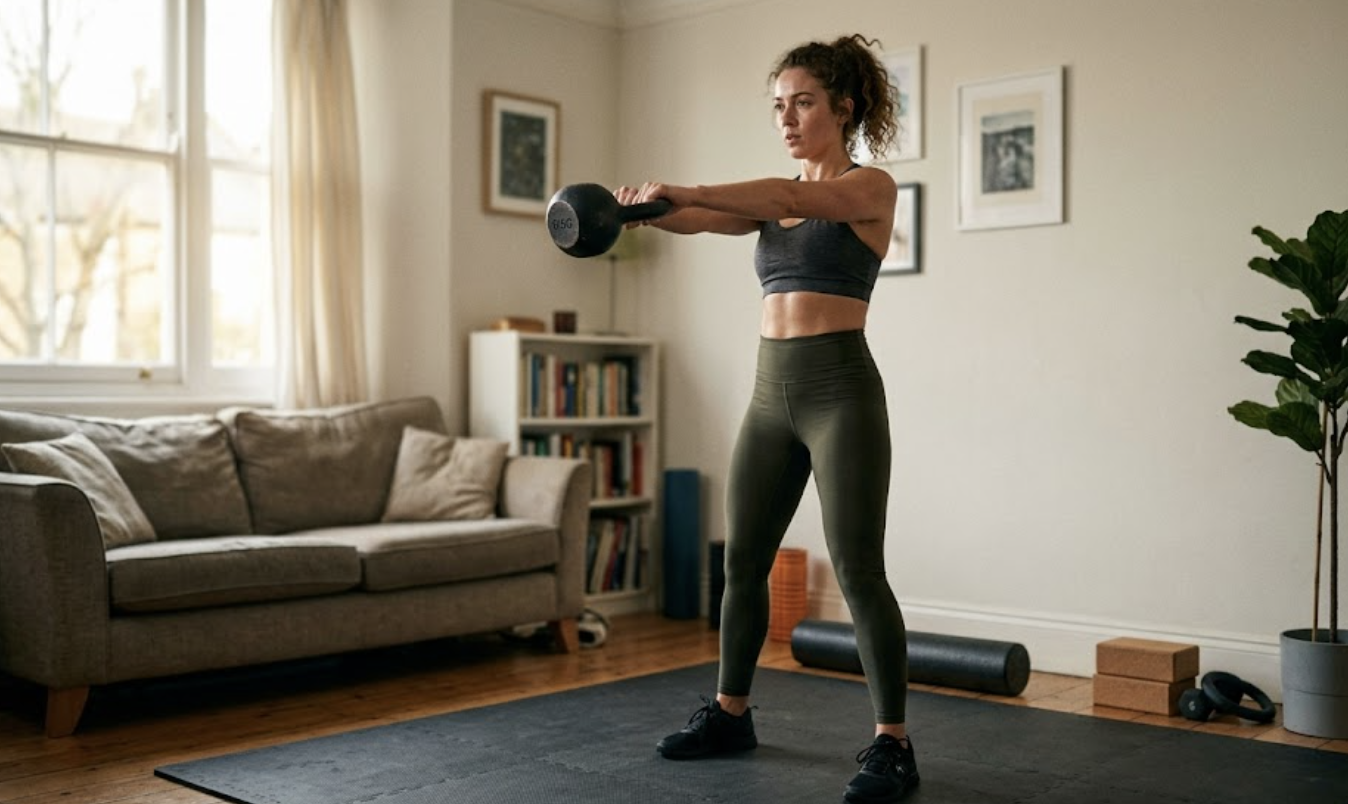
If I could only pick one piece of equipment under $200 for functional strength, it’s this. A kettlebell is basically a whole playbook: hinges, squats, presses, carries, and power work without needing much space.
Best for: Swings, goblet squats, cleans, presses, rows, Turkish get-ups, suitcase carries
What to look for:
- Weight range that matches your level (common adjustables run roughly 12 to 32 kg, which is about 26 to 70 lb, but options vary)
- Secure locking mechanism that won’t rattle
- Comfortable handle width and texture (no cheese-grater knurling)
Quick starter circuit (3 rounds): 10 swings, 8 goblet squats, 6 presses each side, 30 seconds suitcase carry each side.
2) Resistance band set (loop bands + long bands)
Typical price: $20 to $60
Bands are the ultimate budget depth chart. They add resistance to lifts, help you learn positions, and give you pulling volume even if you don’t own a rack.
Best for: Rows, face pulls, banded push-ups, assisted pull-ups (if you’ve got a bar), glute activation, Pallof presses
What to look for:
- A set with multiple tensions, not just one “medium” band
- Quality latex or fabric loops that won’t roll up
- Optional door anchor for long bands (huge for rows and presses)
Pro tip from coaching: If your shoulders hate pressing, bands can be more joint-friendly. The tension stays smooth, and you can usually find an angle that feels better than straight weights.
3) Suspension trainer (TRX-style straps)
Typical price: $40 to $200 (TRX-branded kits can run higher, but plenty of solid straps land under $200)
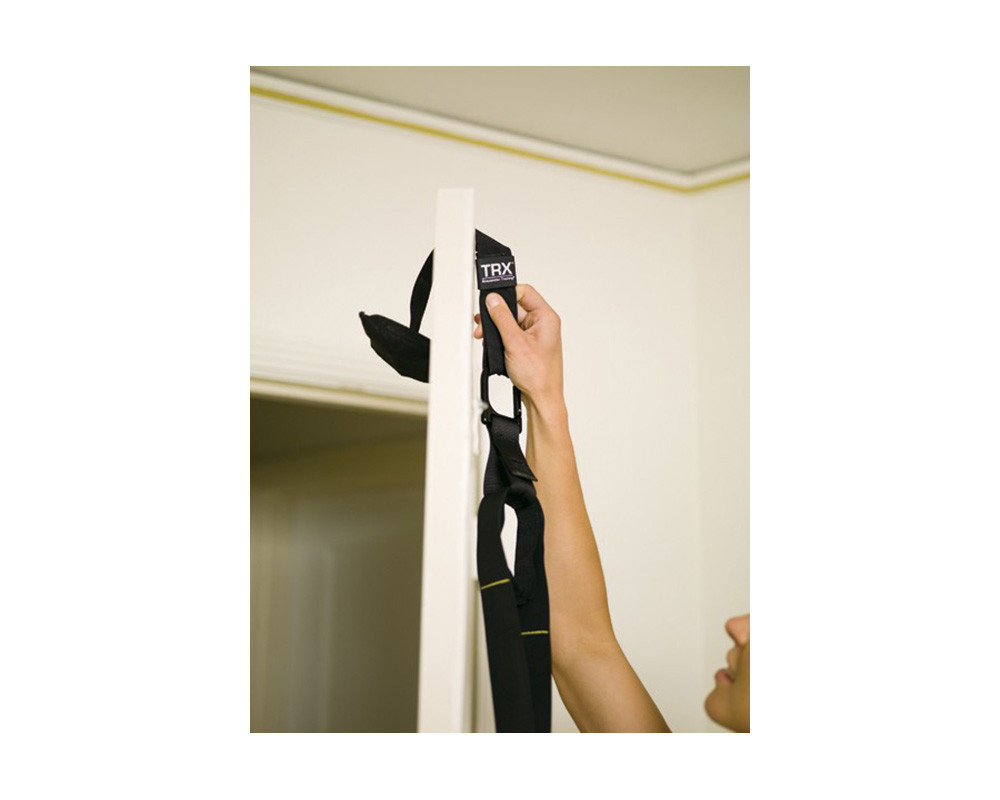
This is the closest thing to a full gym that fits in a backpack. With one anchor point you can train pulling, pushing, legs, and core with built-in difficulty scaling. Step your feet forward and it gets harder. Step back and it gets easier and more stable.
Best for: Inverted rows, push-ups, split squats, hamstring curls, fallouts, Y-T-W shoulder work
What to look for:
- Strong stitching and rated straps
- Reliable door anchor or ceiling mount compatibility
- Comfortable handles that won’t tear up your hands
Quick safety note: Use a legit anchor point, follow the manufacturer setup, and don’t attach straps to sketchy doors or loose trim.
4) Pull-up bar (doorway or wall-mounted)
Typical price: $30 to $150 (some wall-mounted bars can cost more depending on hardware and install)
Pulling strength is a cheat code for athletes and desk workers alike. A pull-up bar also unlocks hanging core work and, with bands, a full menu of assisted progressions.
Best for: Pull-ups, chin-ups, dead hangs, knee raises, scap pulls
What to look for:
- Stable mounting and a clear load rating
- Doorway fit that matches your trim and frame depth
- Neutral-grip options if straight bars bug your elbows
Safety note (worth reading): Check your door frame integrity, follow the installation instructions, and avoid dynamic kipping or swinging on a doorway bar. If anything shifts, creaks, or slides, reset it or don’t use it.
If you’re not ready for pull-ups yet: Start with 3 sets of 20 to 40 seconds of dead hangs and 3 sets of 6 to 10 slow negative reps.
5) Adjustable dumbbells (single or pair)
Typical price: $120 to $200 (often for a single, sometimes for a pair on sale, and sometimes over depending on the brand)
Dumbbells are the cleanest way to train unilateral strength at home. That matters in sports because most actions happen off one leg, one arm, or one awkward angle.
Best for: Rows, floor press, split squats, RDLs, curls, overhead press, loaded carries
What to look for:
- Fast weight changes you’ll actually use mid-workout
- Secure plates and minimal wobble
- A range that goes heavy enough for legs (this is where many sets fall short)
6) Weight vest
Typical price: $50 to $200
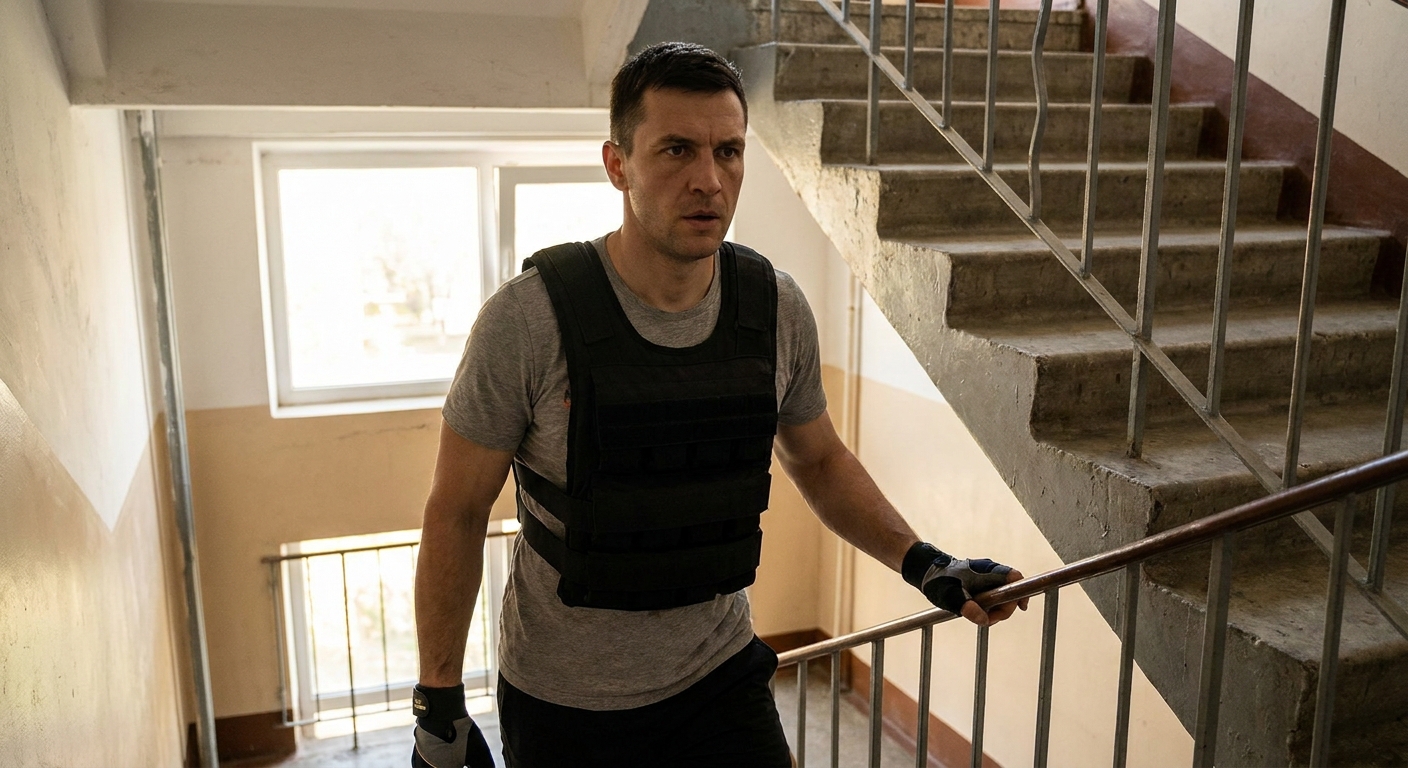
Want to make bodyweight training feel like it has postseason intensity? Add load. A weight vest turns push-ups, step-ups, lunges, and even brisk walks into serious work. It’s also low learning curve, which is underrated.
Best for: Push-ups, pull-ups, split squats, stair climbs, rucks, sled-sprint vibes without the sled
What to look for:
- Snug fit that won’t bounce
- Adjustable loading
- Breathable padding that won’t rub your shoulders raw
7) Ab wheel (or stability ball)
Typical price: $10 to $40
If you want a stronger core for sport, train it the way it actually works: resisting extension and controlling your trunk under tension. An ab wheel is brutally effective and takes up almost no space.
Best for: Rollouts, kneeling progressions, slow eccentrics
What to look for:
- Wide, stable wheel
- Comfortable handles that won’t slip when sweaty
Coaching cue: Ribs down, glutes tight, move like a plank sliding forward.
8) Jump rope
Typical price: $10 to $30
This is conditioning that doesn’t require a treadmill and doesn’t eat your floor space. Great for warm-ups, finisher intervals, and building springy ankles for court sports.
Best for: Warm-ups, footwork, quick intervals, recovery day cardio
What to look for:
- Adjustable length
- Handles that spin smoothly
- A rope that matches your space (some are better for outdoors)
Apartment note: Jump rope can be loud for downstairs neighbors. If that’s you, do “shadow rope” (same timing, no rope), step-ups, or low-impact intervals instead.
9) Push-up handles or parallettes
Typical price: $15 to $80
If wrists complain, handles keep your joint angle friendlier. They also add range of motion, which is a sneaky way to build more strength without adding weight.
Best for: Push-ups, shoulder taps, L-sit progressions, dips on sturdy parallettes (if you’ve got the control)
10) Budget-friendly flooring (rubber mat)
Typical price: $20 to $100
This isn’t the glamorous pick, but it’s the one that keeps you training. A decent mat protects your knees, your equipment, and your downstairs neighbor’s patience.
Best for: Kettlebell work, mobility, core training, any workout where you’re sweating on the floor
Quick guidance: Around 6 to 8 mm works well for general training. Thicker is nicer for comfort and noise, but it won’t magically soundproof your apartment.
Best ways to spend $200 (three simple bundles)
The one-bell bundle ($150 to $200)
- Adjustable kettlebell
- Optional: jump rope if you catch a sale
Why it works: Strength, power, and conditioning with one tool.
The apartment athlete ($80 to $170)
- Resistance band set with door anchor
- Suspension trainer
- Ab wheel
Why it works: Full-body training with almost zero storage footprint.
The pulling solves problems ($80 to $200)
- Doorway pull-up bar
- Resistance bands (for assistance and extra rows)
- Push-up handles
Why it works: Strong back, strong shoulders, better posture, better performance.
A no-nonsense weekly plan (30 to 40 minutes)
You don’t need perfection. You need reps, consistency, and a little competitive spirit with yourself.
Rest guideline: For strength moves, rest about 60 to 120 seconds between sets. On conditioning work, keep it moving with shorter rests.
Day A: Hinge + push + carry
- Kettlebell swings: 5 x 10
- Push-ups (handles optional): 4 x 8 to 15
- One-arm row (band or kettlebell): 4 x 10 each side (if you’re using one kettlebell and don’t want to change weight constantly, just pick band rows here)
- Suitcase carry: 3 x 30 to 45 seconds each side (small space? March in place or do a timed hold)
Day B: Squat + pull + core
- Goblet squat: 4 x 8 to 12
- Pull-ups or band rows: 4 x 6 to 12
- Split squat: 3 x 8 each side
- Ab wheel rollout (kneeling): 3 x 6 to 10
Day C: Conditioning + rotation + durability
- Jump rope intervals: 10 rounds of 30 seconds on, 30 seconds off (or shadow rope if noise is a problem)
- Pallof press (band): 3 x 10 to 12 each side
- Band face pulls: 3 x 15
- Glute bridges (banded if possible): 3 x 12
- Easy mobility for hips and ankles: 5 minutes
Progression rule: Add 1 to 2 reps each week until you hit the top of the range, then increase resistance or weight and drop reps back down.
Buying tips I wish every athlete heard
- Don’t buy random light dumbbells first. For functional strength, you want load that challenges legs, hips, and trunk.
- Prioritize pulling. Lots of people press at home. Fewer train the back enough to balance shoulders and keep posture strong.
- Make it easy to start. If your gear lives under a pile of laundry, it won’t get used. A corner setup beats a perfect setup.
- Used gear is your friend. Kettlebells, mats, and dumbbells often hold up great secondhand if you inspect them.
FAQ
Can you build real strength without a barbell?
Yes. A barbell is awesome, but strength is about progressive overload. Kettlebells, dumbbells, bands, and bodyweight progressions can take you a long way, especially for general athleticism and durability.
What’s the single best item under $200?
An adjustable kettlebell for most people. If you already have a kettlebell, a pull-up bar plus bands is right there with it.
What if I live in an apartment with noise concerns?
Choose bands, a suspension trainer, an ab wheel, and a mat. You can train hard without dropping weights or doing high-impact moves. And if jump rope is too loud, swap in shadow rope, step-ups, or brisk incline walks.
My bottom line
Functional strength doesn’t care how fancy your home gym looks. It cares how often you show up and whether your training hits the movements that matter: hinge, squat, push, pull, carry, and rotate with control.
Pick one or two pieces from this list, commit to a simple plan for eight weeks, and you’ll feel it the next time life asks you to lift, sprint, jump, or grind through a long fourth quarter.