
If you have seen Dylan Harper start popping up in your basketball feed, you are watching the same moment a lot of fans are watching: when a top prospect’s name crosses over from recruiting circles into the wider NBA conversation.
Harper has become one of those repeat-search prospects because the signal keeps refreshing. A rankings update hits, a Don Bosco clip goes viral, a showcase weekend pops off, or Rutgers drops another spotlight graphic, and the “future NBA guard” loop starts all over again.
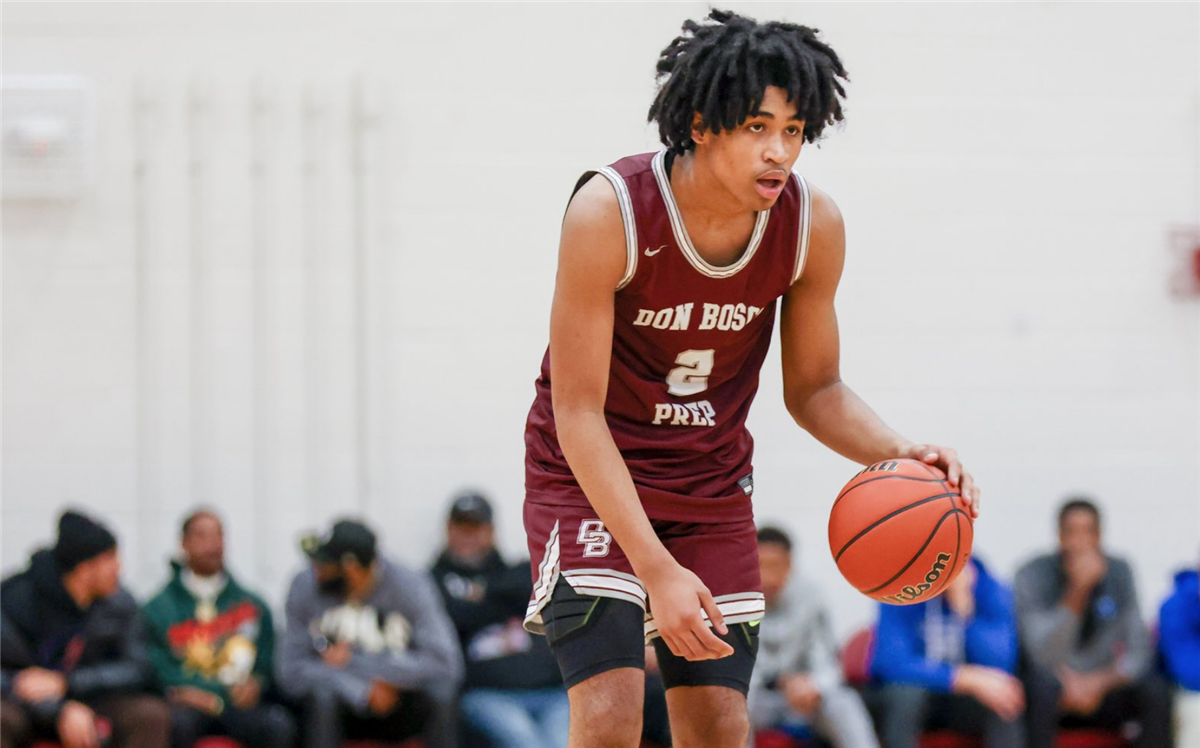
Who is Dylan Harper?
Harper is a New Jersey guard who rose through the national high school spotlight at Don Bosco Prep and then became the centerpiece of a major college recruiting win at Rutgers.
- High school: Don Bosco Prep (Ramsey, New Jersey)
- Recruiting class: 2024
- Size: Listed around 6-foot-6 by major recruiting services (listings vary)
- College: Rutgers (committed in 2023 and later signed with the program)
- Honors: A top all-star-circuit level prospect, with postseason honors and event selections that vary by outlet and year
- Basketball lineage: Son of Ron Harper, a five-time NBA champion (three with the Bulls, two with the Lakers)
The lineage is not a prophecy, but it shapes the conversation. People talk about Harper like someone who already understands physicality, reads, and the unglamorous possessions that win games. That is also why he shows up so often in “fits next to a star” debates.
Why Rutgers matters
Rutgers is not just a hometown headline. Harper’s commitment, paired with Ace Bailey, gave the Scarlet Knights one of the most talked-about recruiting classes in the country and a rare moment where Rutgers is being discussed like a national landing spot for future pros.
It is the kind of two-player pull that changes expectations fast. When a program lands a top guard and a top wing in the same class, the conversation shifts from “development story” to “how quickly can this turn into wins, TV games, and real NBA scouting traffic.”
For a simple, practical frame heading into the season: Rutgers will likely want Harper comfortable in two modes, as a steady initiator when the offense needs structure and as a secondary creator when the defense loads up on him or Bailey. Expect plenty of spread pick-and-roll and transition reps where the job is simple: get downhill, force a rotation, and turn that into layups or kick-out threes. If he is consistently generating rim pressure while keeping the ball moving, that is the shape of success.
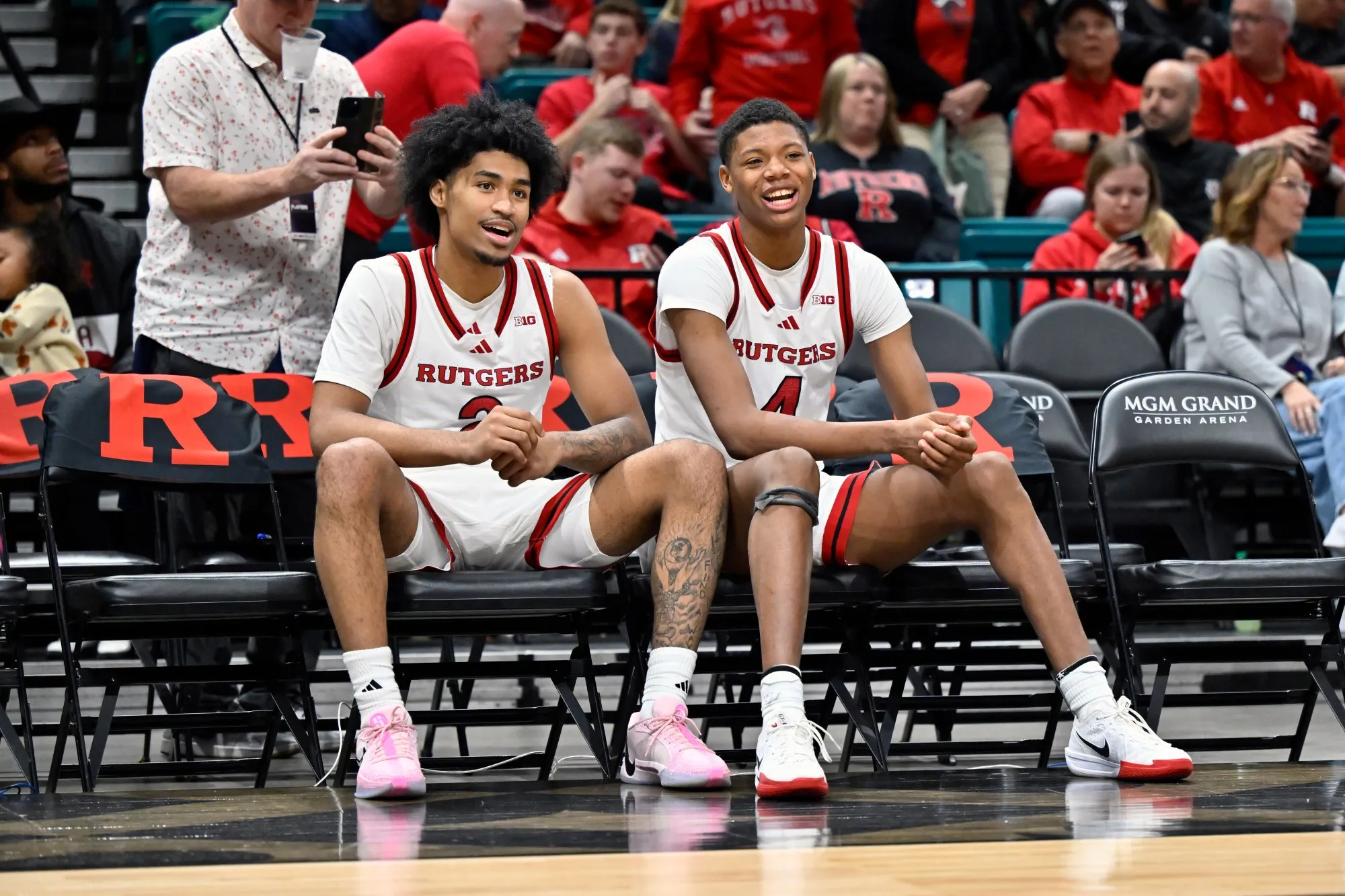
Quick timeline
If you are trying to place Harper on the NBA calendar, here is the clean version:
- Now: A top-tier 2024 prospect, commonly discussed among the top prospects in the class (the exact slot moves with each update)
- Next: Rutgers freshman season in 2024 to 2025
- Draft window: Typically after at least one college season, depending on production and the route he chooses
Scouting snapshot
Harper is most often framed as a combo guard with real lead-guard stretches. Evaluators like his pace, his strength getting into the paint, and how quickly he can make the next pass when defenses load up.
If you do not live in scouting jargon, here is the shortcut. Think of a simple pick-and-roll: if the big defender steps up, can Harper hit the roller in the lane? If the corner defender helps in, can he snap a pass to the corner shooter? If nobody helps, can he finish through contact? That is the “read” people are talking about.
The swing skills that tend to decide ceiling at the next level are familiar: catch-and-shoot consistency, getting into the paint without stalling the possession, and whether he becomes a reliable point-of-attack defender (the guard who starts the defensive possession by pressuring the ball) against high-end speed.
For casual NBA readers, the role summary looks like this: best-case, he grows into a big, steady primary creator. More commonly, he projects as a strong secondary creator who can run offense in stretches and hold up physically on defense, as long as the jumper keeps trending up.
Player summary
- Strengths: Size for a guard, physical downhill pressure, pick-and-roll feel, quick processing as a passer
- Questions: How consistent the jumper becomes, especially on catch-and-shoot looks, and how he holds up as a point-of-attack defender versus elite burst
- What to watch at Rutgers: His ball-handling share next to other creators, three-point volume, late-clock decision-making, and which perimeter matchup he is asked to take in big games
Why he is getting buzz
This wave usually comes from three engines that feed each other: rankings, early draft projection chatter, and collectors.
1) The list effect
Summer hoops culture runs on lists. Every ranking refresh or “top young guards” debate gives people a reason to re-litigate value: ceiling versus floor, playoff translation, age curves, all of it.
Once Harper’s name gets pulled into that cycle, the loop is predictable. Fans see the take, argue the take, then look up the player they know the least. That is why it helps to state it plainly: Harper is regularly grouped with the top tier of the 2024 class by recruiting outlets, even if the exact slot changes depending on the update.
2) Spurs curiosity
Any Spurs conversation right now orbits Victor Wembanyama. The rebuild is no longer background noise. It is a high-interest project, and fans spend the offseason casting possible long-term pieces.
The Harper to Spurs link you see online is mostly projection, not reporting. It lives in the “type of guard you want next to Wembanyama” lane: big guard, can handle, can pass, can play on and off the ball.
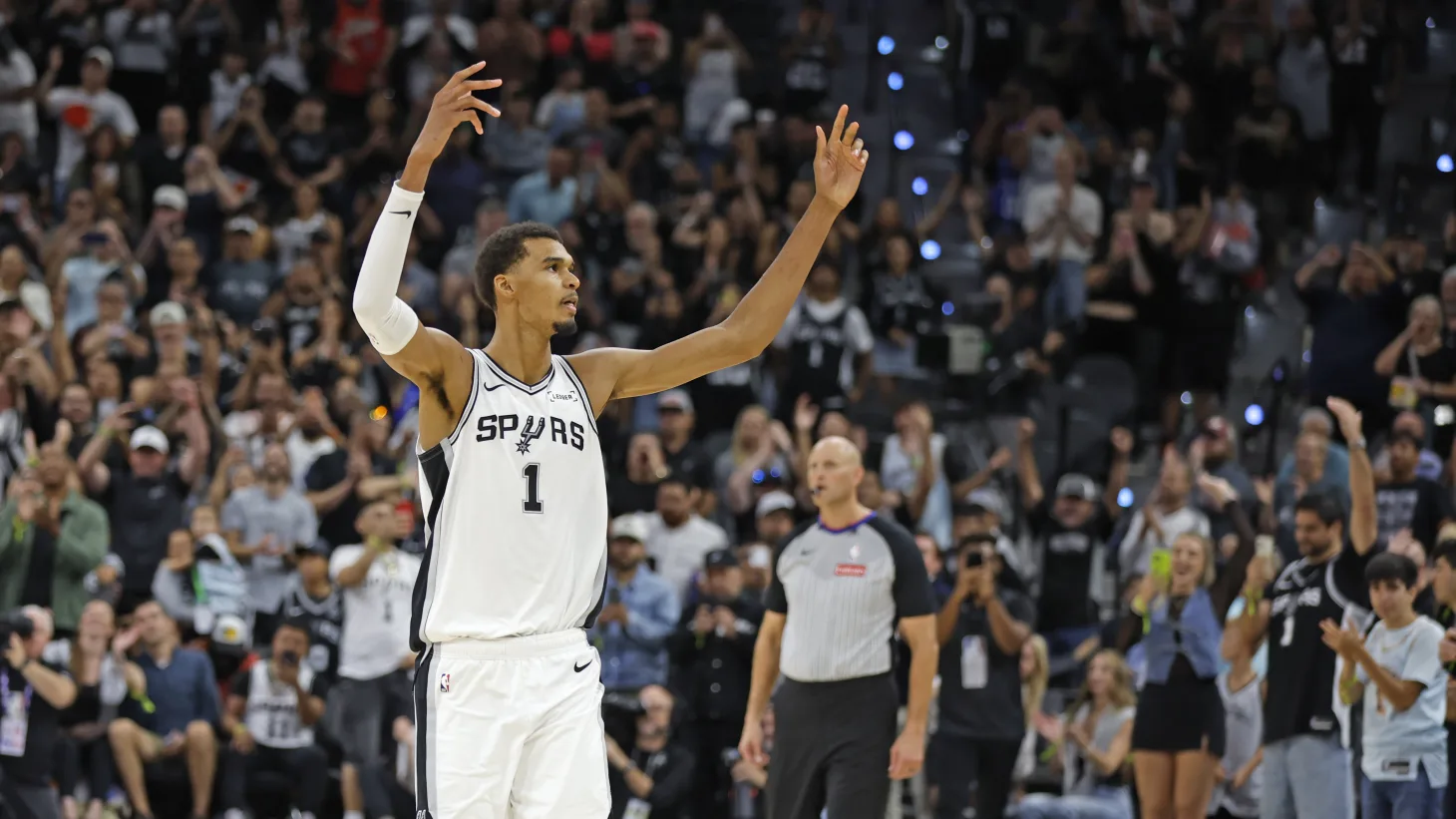
Fit with Wembanyama
When you play with a star big, the guard job description changes. People look up Harper because they want to know whether he reads like the kind of guard who can fit next to a franchise centerpiece.
In Spurs-themed projection, these are the traits fans usually prioritize, and why Harper draws interest:
- Pick-and-roll reads: With Wembanyama’s vertical spacing and short-roll playmaking potential, the guard has to decide fast. One simple example is the pocket pass. If the defense shows high, can Harper slip it to the big before the help rotates?
- Catch-and-shoot threat: Next to a hub big, you cannot need every touch. The question is simple: can he punish help by stepping into open threes and keep the floor wide?
- Point-of-attack defense: If you want Wembanyama to be the eraser, you still need guards who compete at the point, fight over screens, and keep actions from turning into downhill layup lines.
None of this guarantees stardom. It explains the “why him” of the moment. Harper gets framed not just as a good young guard, but as a potential long-term fit type that fans like to pair with a centerpiece.
Why collectors care
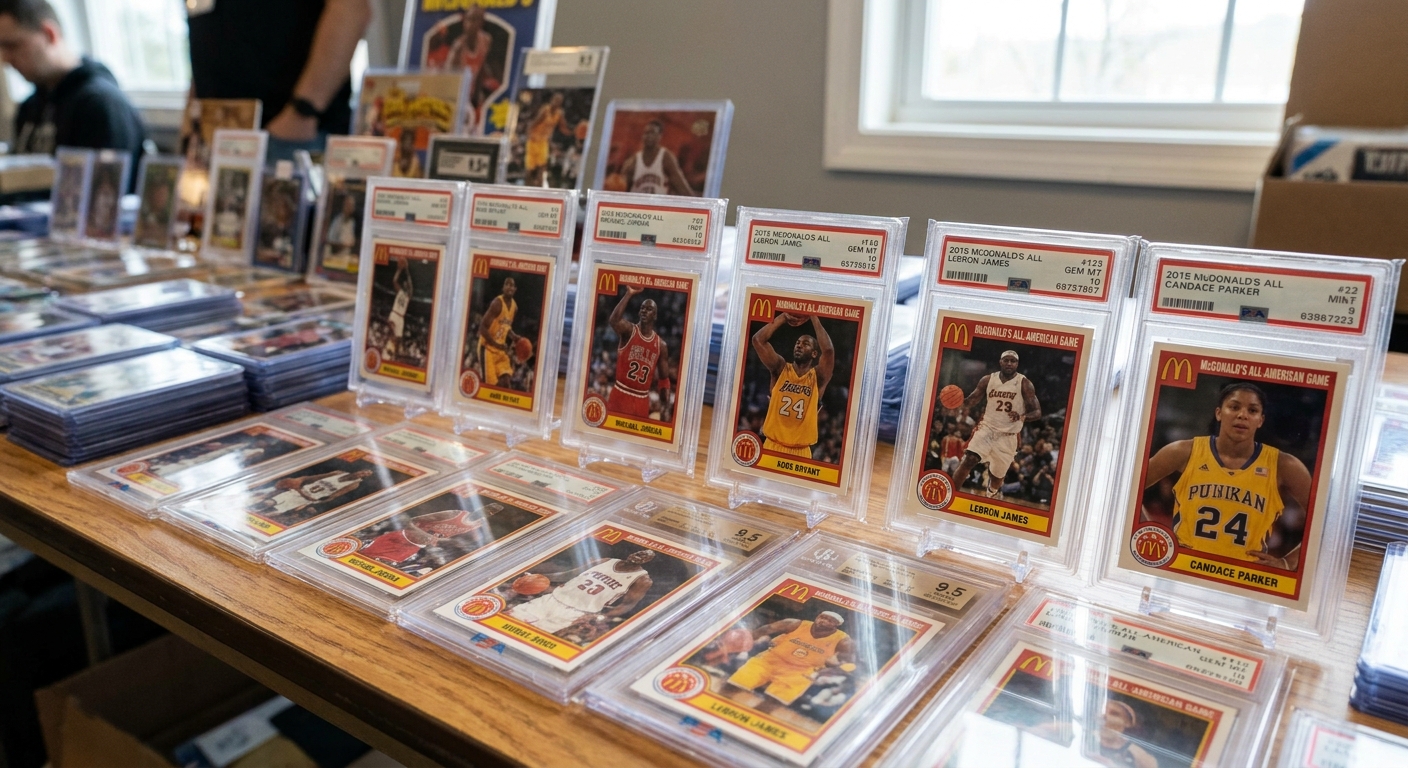
The other half of the surge is the sports version of money: the secondary collectibles market.
Prospect cards move on attention and scarcity. When a name starts bubbling, even a small wave of new buyers can shift the market for limited parallels and graded copies.
One thing to keep realistic: pre-college card availability can be sporadic and release-dependent. In many years, the most common early finds are not mainstream flagship sets. They are event-related issues, promo-style cards, or limited autographs that surface around all-star circuits.
- Showcase event issues (often tied to all-star weeks)
- Autographs when available
- Serial-numbered parallels
- Graded copies of the most in-demand early issues
Where people usually hunt: major auction platforms, card shows, and the limited drops that hit around all-star events. Availability and pricing can swing year to year, even for the same level of prospect.
Search mix-ups
A small slice of the noise is simple search behavior. “Dylan Harper” is a common enough name that unrelated profiles can surface in autocomplete and recommendation feeds. The basketball searches usually include terms like Rutgers, Don Bosco, Ron Harper, highlights, or mock draft.
The questions driving this wave are usually straightforward:
- Is Dylan Harper actually that good, or is the internet too high on him?
- What is his background at Don Bosco Prep and his Rutgers timeline?
- Is the Spurs connection real, or just projection chatter?
- What cards exist for him right now, and what is still speculation?
That is not celebrity gossip behavior. That is offseason basketball behavior, especially when rankings, comps, and projections become the content calendar.
What happens next
Attention spikes cool off fast, but a player’s public identity can change during these moments.
Here is what to watch if you are trying to tell the difference between a one-week pop and a real step forward:
- Repeat mentions: If Harper keeps showing up in top-tier prospect conversations and early draft boards, curiosity turns into steady interest.
- Role clarity: The quickest way for a young guard to stick is to become the obvious answer to a simple question: “What does he do every night?”
- Proof points: A signature game, a big matchup, or a clear skill leap, especially shooting, is what typically locks in the next level of attention.
Either way, the core truth behind the moment is durable: Harper is hitting the part of the cycle where a highly ranked guard becomes more than a recruiting headline, and starts getting discussed like a future NBA problem to solve.