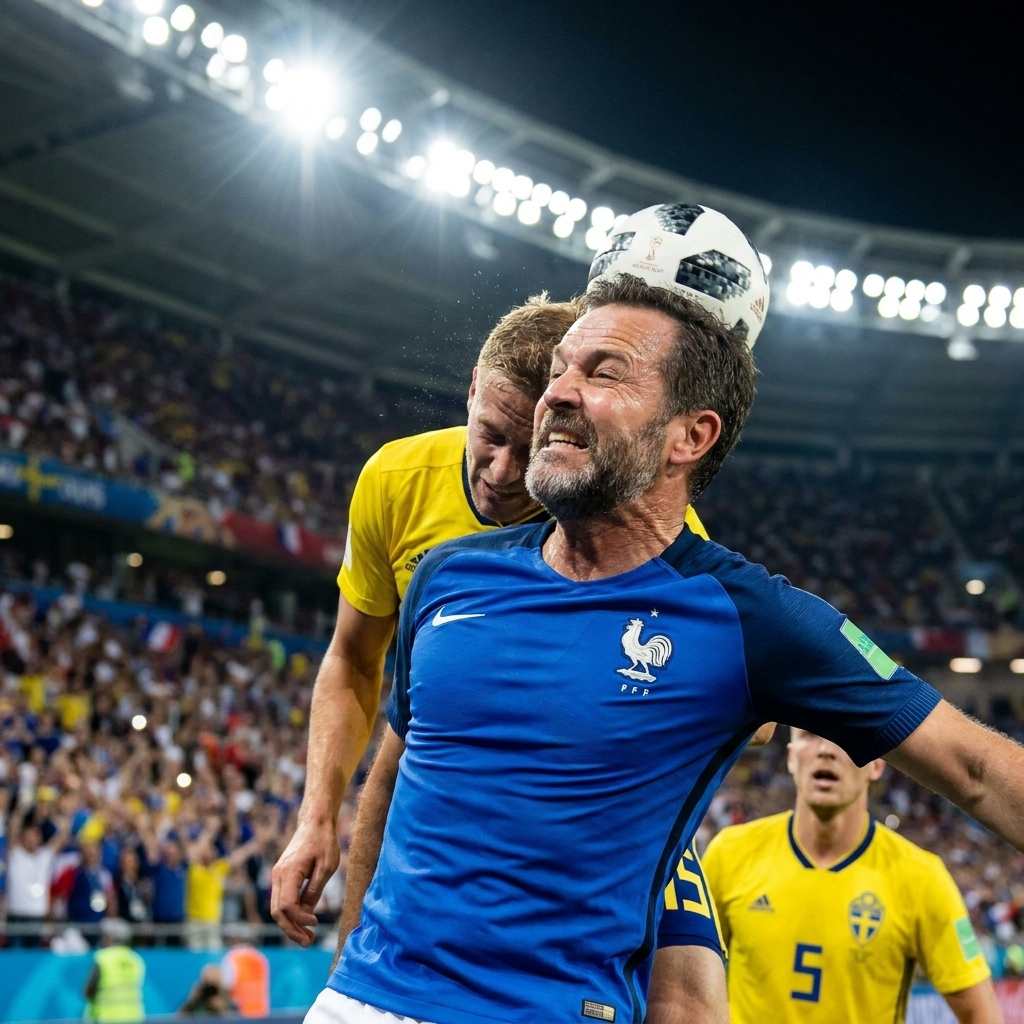
When a star defender misses training in the middle of a World Cup, it does not matter how calm the manager sounds. The internet is going to sprint to the search bar.
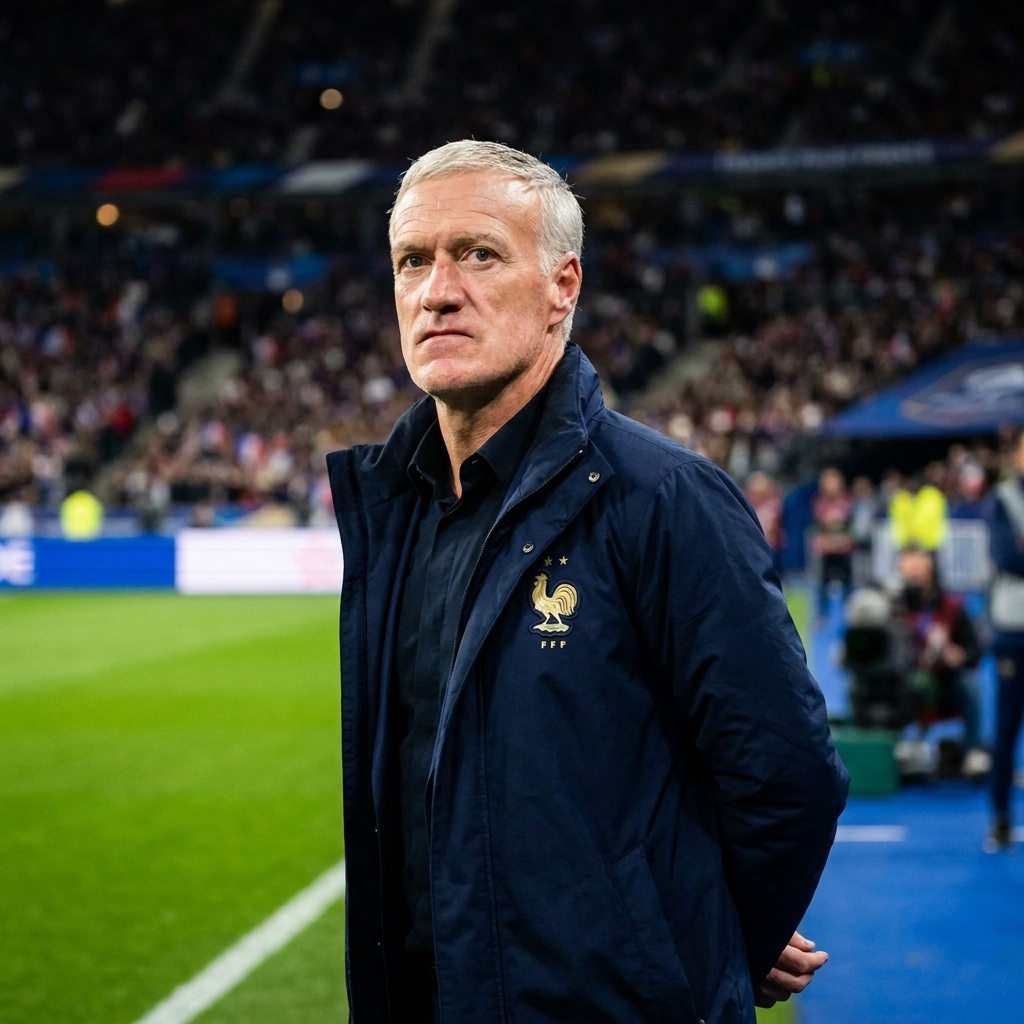
That is why William Saliba is suddenly everywhere. France’s starting center-back has missed training sessions due to back pain ahead of a group-stage clash with Sweden, and that tiny gap in certainty is enough to ignite full-on lineup anxiety. Add one more ingredient, the France manager Didier Deschamps publicly insisting he is not concerned, and you get the perfect viral storm: fans do not know whether to relax or brace for a late switch.
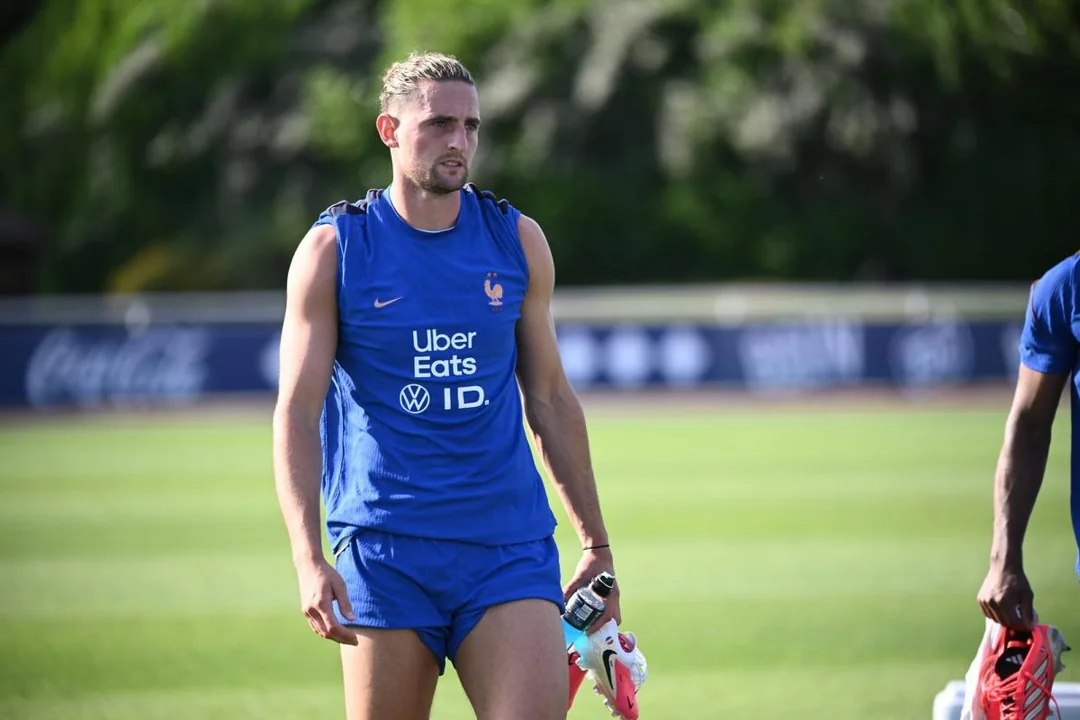
Why everyone is searching “William Saliba” right now
Player searches spike for two reasons: goals or uncertainty. This one is pure uncertainty.
- The trigger: Saliba missed sessions with back pain in the immediate buildup to France vs Sweden.
- The accelerant: Deschamps downplayed the concern publicly, effectively saying he is not worried, which calms nobody because it leaves the key question unanswered: Will he start?
- The stakes: This is not a friendly. It is a World Cup group match where small margins decide who controls the group and who gets dragged into a dangerous knockout path.
For casual fans, Saliba is “the Arsenal guy.” For anyone who has watched France in tournament football, he is something more specific: the defender you trust to survive the ugly moments without turning them into disasters.
The real issue: back pain is not like a bruised ankle
Back pain is tricky because the spectrum is wide. It can be a tightness you can manage with treatment and load control, or it can be the kind of discomfort that changes how a player twists, accelerates, and lands. For a center-back, that matters on literally every action: opening the hips to track a run, stepping into a tackle, rising for a header, and bracing for contact.
That is why “he missed training” reads louder than “he is questionable.” Training is where managers confirm sharpness, timing, and confidence. If a defender is even half a beat late because he is protecting his back, Sweden will feel it.
What Deschamps’ calm tone really tells us
Deschamps has been around too many tournaments to play this like a weekly club press conference. When he downplays a fitness scare, there are usually two layers to it:
- Information control: He is not giving Sweden an early tactical gift.
- Squad management: He is keeping panic from spreading through the team and the public.
But calm does not equal certainty. In tournament football, the final call often comes down to how a player wakes up on matchday and whether he can get through a warm-up without guarding the injury.
Why Saliba matters specifically against Sweden
Sweden, historically and stylistically, has been comfortable turning matches into aerial battles and second-ball scrambles. That is exactly the kind of game where a center-back’s comfort in contact matters.
Saliba’s value is not only his defending. It is how he organizes space. When France want to press higher, he helps hold the line. When France need to drop and protect a lead, he is the guy you trust to win the duel and then play the simple pass that ends the chaos.
If Saliba cannot go: what changes for France?
This is where the searches turn into tactical rabbit holes. France are not short on center-backs, but they are short on Saliba’s specific mix of calm, timing, and recovery speed.
Option A: Like-for-like reshuffle
The cleanest adjustment is pairing Dayot Upamecano with Ibrahima Konaté and asking them to keep the structure intact. That gives France power, pace, and aggression.
The tradeoff is rhythm. Partnerships matter. If one step is mistimed, a well-timed Swedish run can turn into the kind of chance that changes a group.
Option B: Protect the back line with the midfield
If Deschamps feels the center-back picture is even slightly unstable, he can make the game smaller by asking the midfield to screen harder, foul smarter, and slow transitions. It is not glamorous, but it is tournament football.
Option C: A more conservative line
No Saliba can also mean a slightly deeper defensive line to reduce the amount of emergency sprinting required. That can help, but it also invites pressure and makes it harder to pin Sweden back.
Arsenal form, France expectations, and the “lineup anxiety” machine
Part of what makes this trend stick is that Saliba sits at a crossroads fans care about:
- Club credibility: Arsenal supporters know how important he is to structure and confidence at the back.
- National team pressure: France are expected to contend every tournament, which means every fitness doubt becomes a referendum on the whole campaign.
- World Cup math: Group matches are not just “three games.” They are leverage. Win the right one, and the rest of the month gets easier.
So even if the back pain ends up being a precaution, the questions are logical: is this a one-day issue, a pain-management situation that lingers, or an early warning sign that forces rotation before France want it?
What to watch pre-kickoff (the clues fans should actually trust)
If you are trying to read the tea leaves without spiraling, focus on what teams cannot hide on matchday:
- Warm-up movement: Is Saliba opening up into sprints and turns, or staying in straight lines?
- First contacts: Does he attack aerial balls normally, or protect himself?
- Bench signals: A player who is “available but not ready” often starts on the bench as emergency cover.
Deschamps can say he is not worried. The body language in those first minutes tells the real story.
The takeaway
People are not searching William Saliba because they forgot who he is. They are searching because the World Cup turns every minor physical issue into a high-stakes decision, and Saliba is the kind of defender France build their calm around.
Deschamps is projecting confidence. Fans are doing the math. And until the team sheet drops against Sweden, Saliba’s back is going to be one of the loudest quiet stories of the tournament.