
Soccer footwear is one of those things players love to treat like a vibe decision. Fresh boots, favorite colorway, good to go. But the surface you play on is doing the real choosing for you, whether you notice it or not.
As someone who has spent plenty of time watching athletes limp off after a “nothing” step, I will say it plainly: turf cleats and firm ground cleats are built for different traction problems. Put the wrong tool on the wrong surface and your feet, ankles, knees, and even hips can end up paying the bill.
Let’s break down what matters: stud patterns, surfaces, injury risk, and the simple decision rules that keep you on the field.
The quick difference
Turf cleats (TF)
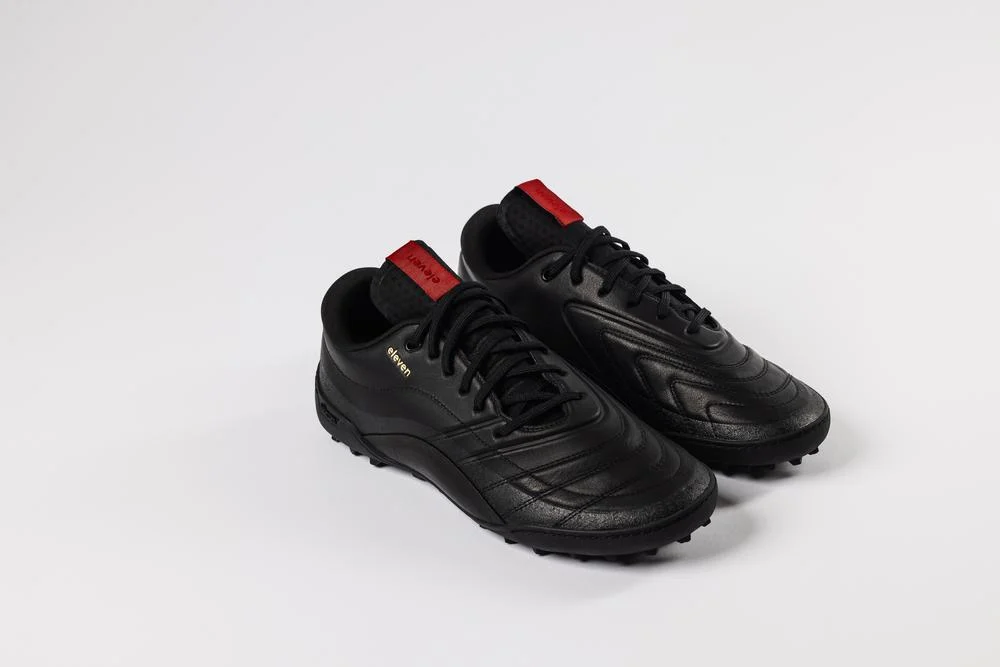
Turf shoes are designed for artificial turf and short, hard surfaces. They usually have a flat-ish outsole covered in lots of small rubber nubs.
- Traction type: many contact points that “grip” without biting too deep
- Feel: stable, lower to the ground, less aggressive push-off
- Best for: older-generation turf, compacted turf, carpet-like turf, small-sided turf courts, and some very hard grass fields
Firm ground cleats (FG)
Firm ground cleats are built for natural grass that is not muddy, plus many modern, well-maintained grass pitches. They use molded studs or blades meant to penetrate the ground for traction.
- Traction type: fewer, larger studs that dig in
- Feel: more aggressive push-off, more penetration on sprints and cuts
- Best for: most typical outdoor grass fields when the soil has some give
Why surface matters
When you cut, decelerate, or pivot, two forces are battling it out: your body’s momentum and the shoe-to-surface grip. The goal is to get enough traction to play fast without getting so much traction that your foot sticks while your knee keeps turning.
That is the hidden danger with mismatched cleats. Injury risk tends to climb when traction is either:
- Too low: slipping leads to awkward, reactive steps and muscle strains
- Too high: a “stuck” foot during rotation can stress ankles and knees
Different surfaces create different traction extremes, which is exactly why TF and FG exist.
Turf cleats: what they do
Artificial turf can be deceptively grippy, especially when it is dry, compacted, or laid over a firm base. And not all turf plays the same. Infill depth, fiber type, and field maintenance can all change how much the surface grabs. Turf shoes counter that by spreading traction across many small nubs so you get controlled grip without a deep bite.
Stud pattern and outsole
- Nubs, not spikes: dozens of short rubber studs create consistent contact
- Usually more cushioning: many TF models add midsole padding because turf is harder than grass
- Lower-profile release: a lower-profile outsole that usually releases more easily during rotation than longer studs
When TF cleats shine
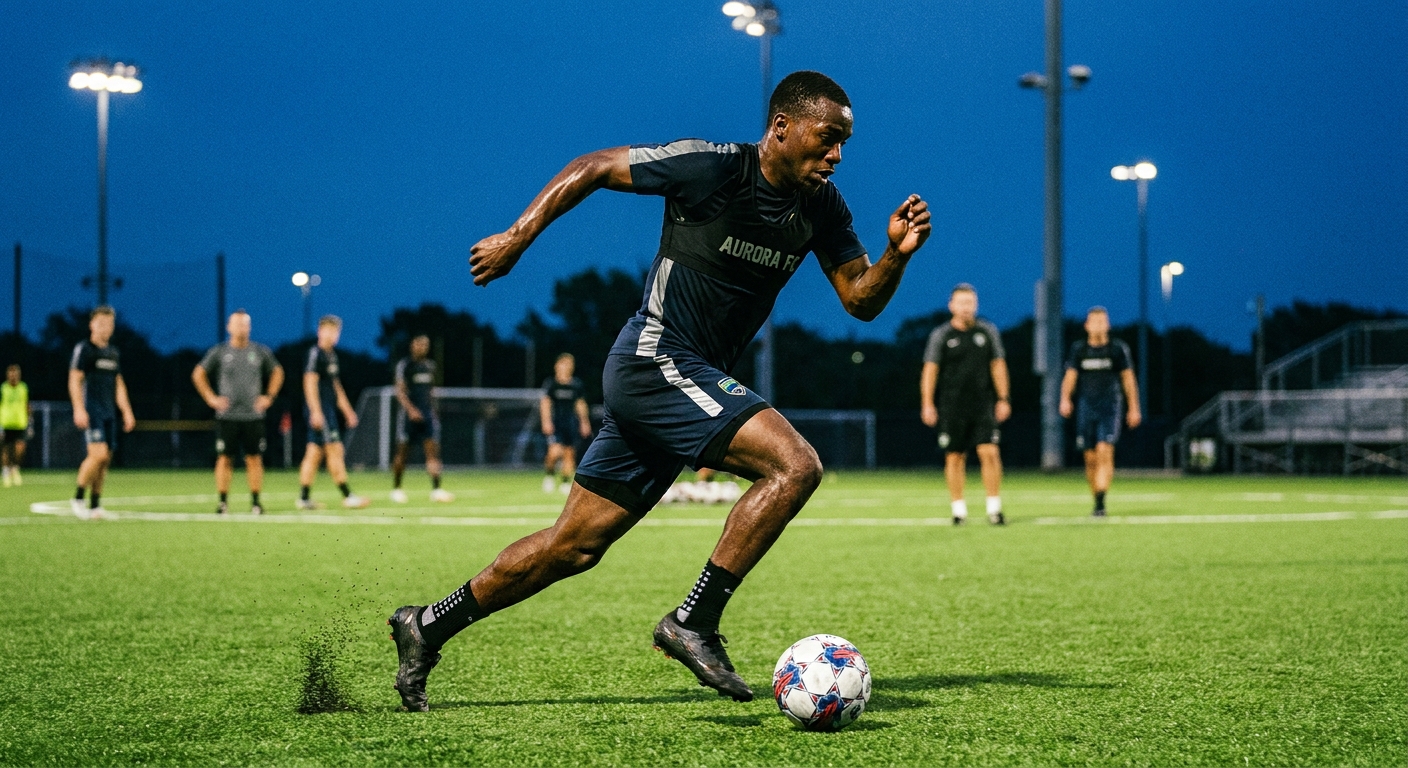
- Small-sided games where quick cuts happen constantly
- Training sessions on older turf that feels like a tight carpet
- Hot, dry conditions where the turf gets extra grippy
Common TF mistakes
- Using turf shoes on wet natural grass: you may slide on turns and struggle to stop
- Buying TF expecting it to feel like FG: it will feel less aggressive on full-field grass, and that is by design
Firm ground cleats: what they do
On natural grass, you need studs that penetrate the soil. FG cleats are meant to dig in just enough to give you acceleration, braking, and lateral traction without over-anchoring you.
Stud pattern and outsole
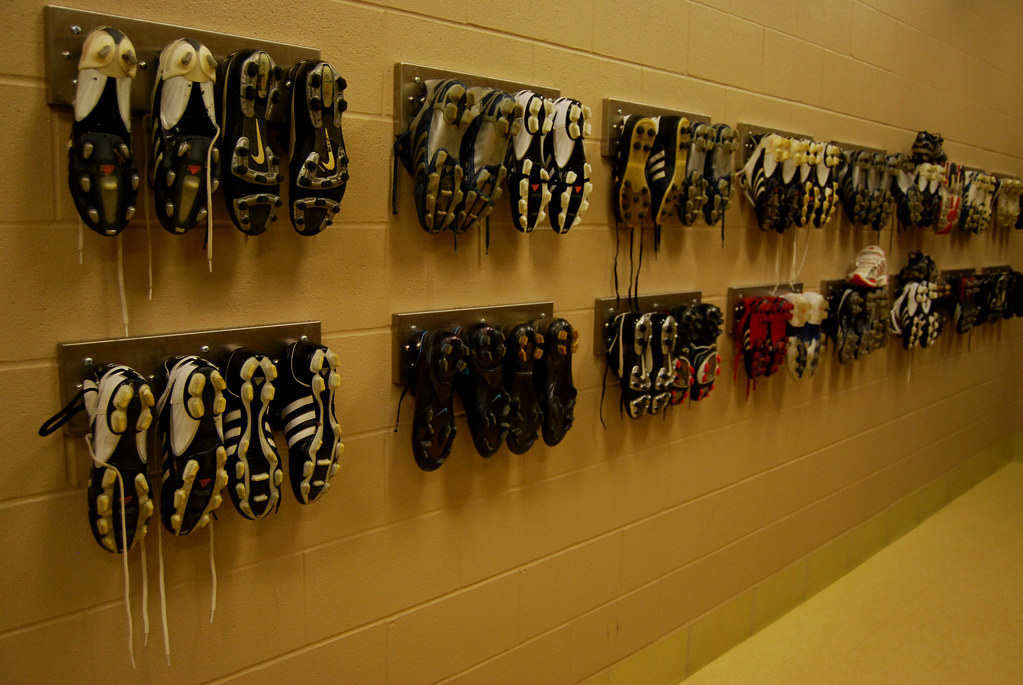
- Molded studs or blades: commonly around 10 to 14 studs, depending on brand and model
- Pressure points: fewer studs means higher pressure per stud, which helps them sink into grass
- Responsive feel: often less cushioning than turf shoes because grass provides natural give
When FG cleats shine
- Outdoor matches on healthy grass with some softness underfoot
- Fields that are not waterlogged and not rock-hard
- Players who rely on explosive first steps and strong braking
Common FG mistakes
- Wearing FG on artificial turf: on some turf systems, the studs can grab too aggressively, raising the chance of ankle rolls and knee stress during rotation
- Wearing FG on very hard, dry grass: you can feel every stud, and traction can become unpredictable
Injury risk: the mismatch
No cleat is “injury-proof,” and risk is not just TF vs FG. Stud shape, turf generation, field maintenance, and your own biomechanics all matter. But matching the outsole to the surface is still the biggest controllable variable.
FG on turf: the stuck-foot problem
Some artificial turf surfaces can lock onto FG studs, especially when the turf is dry or the base is firm. When you cut and your foot does not release, the rotation loads your joints instead.
- What it can lead to: ankle sprains, knee ligament stress, hip irritation
- Red flag feeling: you plant and feel like your foot is glued, especially on sharp pivots
TF on grass: the slip-then-save problem
On wet grass or longer grass, turf nubs may not penetrate enough. Players slip, then overcorrect with a frantic second step. That is when groins, hamstrings, and calves tend to complain.
- What it can lead to: muscle strains, awkward falls, toe jams from sliding
- Red flag feeling: you cannot trust your stop, especially when decelerating
Traction is a performance tool, but it is also a safety setting. Your best games happen when you can cut hard and still release cleanly.
What to wear by surface
Artificial turf (most cases)
- Best: TF (turf) shoes
- Sometimes OK: AG (artificial ground) cleats if the field is newer and designed for AG studs
- Helpful rule: if the turf is labeled 3G or 4G, or the facility and boot brand recommend AG, AG is often the best compromise between grip and clean release
- Usually avoid: FG, and definitely SG (soft ground metal studs)
Natural grass, typical conditions
- Best: FG cleats
- If it is very hard and dry: consider TF for comfort and stability, especially for training
Wet, muddy natural grass
- Best: SG (soft ground) if allowed and appropriate
- Not ideal: TF (will slip)
- FG note: FG can clog and lose bite in heavy mud, although some conical FG layouts can be usable in light mud depending on the field
Hybrid and “mystery” community fields
If your weekend schedule is a mix of unpredictable municipal fields, you have two realistic strategies:
- Own two pairs: one TF, one FG, and match the surface every time
- If you can only bring one: TF is often the safer all-around choice if you regularly see turf, hard ground, or small-sided courts
How to tell the surface
Some surfaces look like grass from the parking lot and play like a trampoline up close. Do this quick check before you lace up.
Five-minute field check
- Press your thumb into the surface: grass with give usually supports FG; hard, unyielding ground leans TF
- Twist your planted foot lightly: if it catches aggressively on turf, avoid long studs
- Look for rubber infill: visible black pellets usually means modern turf; TF or AG is typically best
- Check moisture: wet grass changes everything, traction included
- Ask the home team: they know where players slip and where ankles get rolled
- Check the rules: some leagues restrict SG or metal studs, even on wet fields
Fit and comfort tips
Stud choice is the headline, but fit is the part that shows up in minute 70.
- Prioritize lockdown: heel slip increases blister risk and makes cutting less controlled
- Mind the toe box: turf games include tons of stop-start; cramped toes get punished
- Consider cushioning: if you are on turf multiple times per week, a slightly more cushioned TF can help reduce foot soreness
- Replace when the outsole rounds off: worn nubs or studs change traction and can turn stable cuts into surprise slips
Quick personal tweaks
- If you are heavier, very explosive, or have a history of ankle or knee issues: consider dialing back traction on turf (TF or a true AG plate) so your foot releases more easily
- If your game is hard cuts and sharp braking on grass: prioritize FG that penetrates well and feels stable under your forefoot
Buying checklist
- If you play mostly artificial turf: buy TF first.
- If you play mostly natural grass: buy FG first.
- If you bounce between both weekly: buy one of each and stop gambling with your joints.
- If your field is hard as concrete: lean TF for comfort and controlled traction.
- If you are slipping on grass: you likely need FG or SG, not TF.
The best ability is availability. Choose the cleat that lets you play fast and walk off feeling like you can do it again tomorrow.